Blog
Emerald Oil 101: What Happens During a Routine UK Clean

Emeralds are beautiful but fragile stones. Many commercial emeralds are treated with oil or resin to improve clarity. In the UK, routine jewellery cleans at a high-street or independent jeweller are common. This article explains, in practical terms, what happens to an oiled emerald during a routine clean. You’ll learn what your jeweller should do, what can go wrong, and how to protect your stone afterwards.
What oiling does and why it’s used
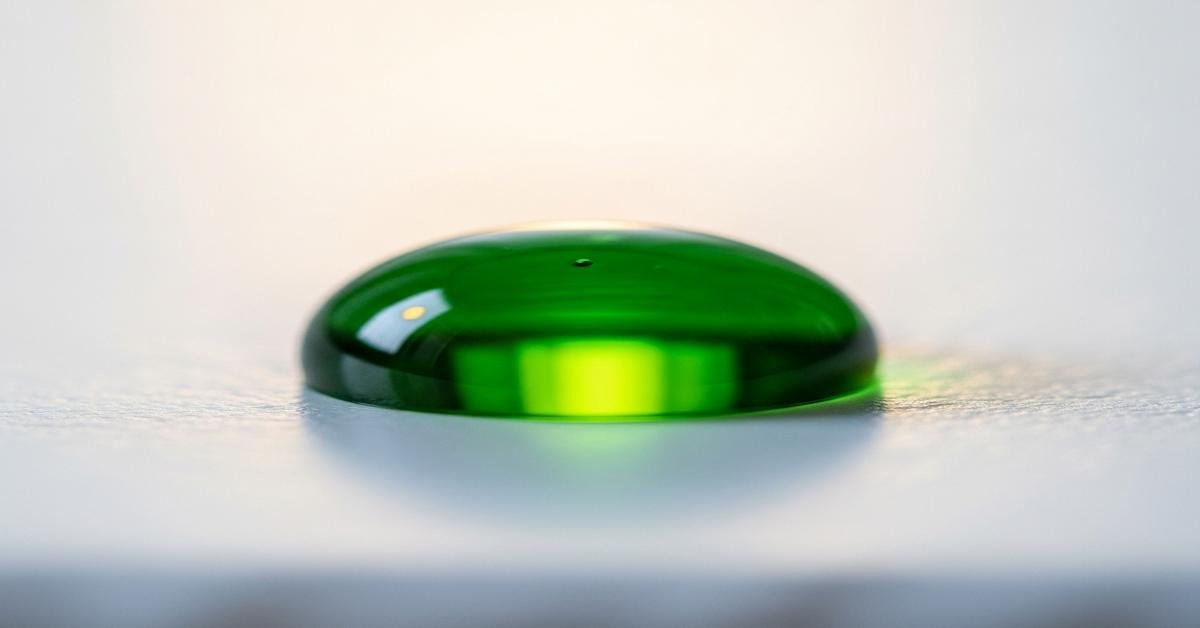
Emeralds usually contain natural fissures and surface-reaching cracks. These make the stone look dull or cloudy. To improve appearance, cutters and dealers often fill fissures with a substance whose refractive index closely matches the emerald. The common choices are:
- Cedarwood oil – a natural oil with a refractive index close to emerald. It’s traditional, reversible, and widely used.
- Synthetic oils and resins – for example Opticon or epoxy-based fillers. These are more permanent and can change how a stone reacts to heat and chemicals.
Why it matters: oiling reduces the visibility of internal cracks and increases apparent clarity. But it is not a true structural fix. The stone remains brittle and the treatment can be affected by cleaning methods, heat and solvents.
What a routine UK clean looks like for an emerald
A reputable jeweller in the UK will follow a careful, staged process for an emerald ring or pendant. Typical steps are:
- Visual inspection with the naked eye and a 10x loupe. The jeweller checks for chips, loose settings, and obvious treatment evidence.
- Record keeping — many shops note the stone type, carat weight and any declared treatments. For example: “0.75 ct Colombian emerald, 6 x 4 mm, cedar oil.”
- Decide cleaning method based on inspection. If the emerald is known or suspected to be oiled, the jeweller will generally avoid ultrasonic and steam cleaners.
- Hand clean using warm (about 30–40°C) soapy water with a mild, pH-neutral detergent and a soft brush. The focus is on the metal and setting, not forceful agitation on the stone.
- Polish metal — gold (9ct or 18ct), platinum or silver gets a light polish. Rhodium-plated white gold is handled gently to avoid removing the plating.
- Final inspection under magnification. The jeweller confirms setting security and notes any changes in the stone’s appearance.
How oils react during cleaning
Oils are soft and can be displaced. What you see depends on the cleaning method:
- Hand cleaning with mild soap and water usually does not remove cedar oil entirely. The stone may look slightly drier afterwards but will generally retain most of the treatment.
- Ultrasonic cleaners can force oils out of fissures. The stone often becomes cloudy, pale or blotchy after ultrasonic treatment. This happens because the vibrations dislodge oil trapped in hairline fractures.
- Steam cleaners heat and expand trapped oil. The oil can migrate to the surface, leaving a film or making the emerald look streaky.
- Solvents (acetone, alcohol) can remove some oils, especially low-viscosity or synthetic oils. This leaves fissures visible and can lessen clarity.
In short, ultrasonic, steam and solvents are risky for oiled emeralds. That is why a good UK jeweller avoids them unless the stone is known to be untreated and structurally sound.
What your jeweller should ask and tell you
Before cleaning, the jeweller should ask if you know the stone’s treatment history. If you have a gem certificate, bring it. A responsible jeweller will:
- Tell you which methods they will use.
- Warn you if ultrasonic or steam cleaning is planned and get your consent.
- Offer a safer, hand-clean option for suspected oiled stones.
- Note any change in appearance and report it back to you.
UK Trading Standards expects transparency in sales. While there’s no single public register for treatments, reputable shops follow industry codes and disclose significant enhancements on request.
If something goes wrong: repair options and costs
If oil is lost or the stone looks worse after cleaning, there are repair steps:
- Re-oiling — the jeweller or lapidary can re-immerse the stone in cedar oil. This restores clarity for a relatively low cost. Typical prices in the UK vary from about £20 to £80 depending on the shop and stone size.
- Resin stabilization — for heavily fissured stones, a resin treatment (Opticon-style) can seal cracks more permanently. This is more expensive and may change the stone’s long-term care needs.
- Replacement — if the customer prefers, the stone can be replaced. That’s expensive for larger, quality emeralds (e.g., a 1 ct Colombian emerald of good colour can be several hundred to several thousand pounds).
Ask for a written note of any additional work and costs. If a jeweller cleans with ultrasonic or steam without disclosure and the stone degrades, discuss remediation or compensation before leaving the shop.
Everyday care after a clean
- Keep emeralds away from chemicals. No acetone, bleach or strong detergents.
- Remove rings for sports or heavy hand work. Emeralds are brittle despite a Mohs hardness of about 7.5–8.
- Avoid prolonged heat and direct sunlight, which can drive oils out of fissures.
- Have an oiled emerald checked and possibly re-oiled every few years, or sooner if it looks dry or cloudy.
- For home cleaning, use warm soapy water and a soft brush only.
Bottom line: a routine UK clean should be conservative with emeralds. A careful jeweller will inspect, choose a gentle method, and tell you what they plan to do. If you own an oiled emerald, ask questions first. That avoids surprises and protects the stone’s appearance and value.