Blog
Paraíba vs “Paraíba-Like”: How UK Sellers Stretch a Blue

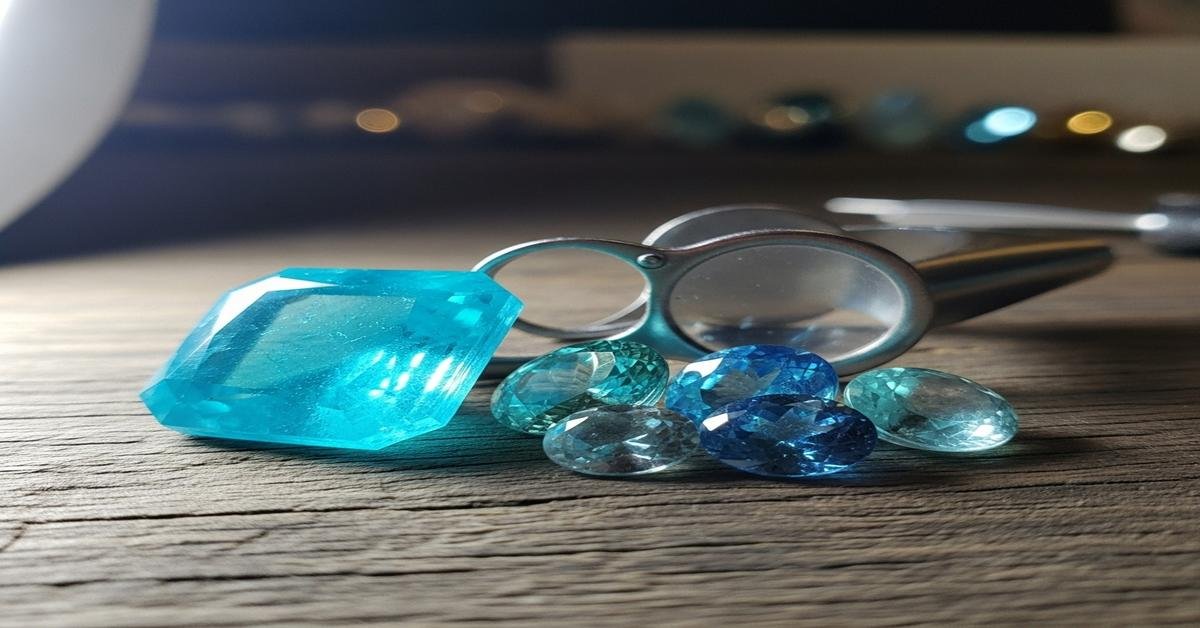
Paraíba tourmaline is one of the most talked-about gems in the market. Its electric, neon-blue color can fetch very high prices. That makes the name a marketing target. In the UK you will see listings that use “Paraíba”, “Paraíba-like”, “Paraiba colour” or “Paraíba-style” to describe stones that are not true copper-bearing tourmalines from Paraíba or similar deposits. This guide explains what a real Paraíba is, how sellers stretch the name, what to look for in listings, and practical steps to protect yourself when buying.
What a true Paraíba (and Paraíba-type) is
Paraíba tourmaline got its name from the Paraíba state of Brazil, where bright copper-bearing blue tourmalines were discovered in the late 1980s. The intense neon comes from copper (Cu) with often some manganese (Mn) as well. That chemistry gives the gem its strong, saturated hue that appears to glow inward.
A few key points about real Paraíba/Paraíba-type stones:
- Composition: Tourmaline group mineral with detectable copper. Labs identify copper by elemental testing (LA-ICP-MS or similar).
- Color and tone: Vivid, highly saturated blue to greenish-blue. Colour that looks neon under daylight is typical.
- Size and price: High-quality stones in the 0.5–2.0 ct range are common on the market. Prices vary widely by colour intensity, clarity and origin — top stones can be very expensive.
- Origin: Genuine copper-bearing material comes from Paraíba (Brazil), Mozambique, and Nigeria. Origin affects value, but the chemistry is what makes it Paraíba-type.
- Identification: A reputable lab report that states “copper-bearing” or identifies origin is the best proof.
How UK sellers stretch the name
Sellers use a few tactics to capitalize on the Paraíba name without selling authentic material. They do this because the eye-catching colour sells well and most buyers don’t test the stone.
- Loose phrasing: Words like “Paraíba colour”, “Paraíba tone”, “Paraíba-style” or “Paraíba-like” suggest similarity without confirming chemistry or origin.
- Substitutes and synthetics: Some listings use other stones (apatite, glass, synthetic spinel, cubic zirconia) that mimic the colour but are not tourmaline.
- Untested tourmaline or heat-treated stones: Normal indicolite (blue tourmaline) can be heat-treated or marketed as “Paraíba colour” even when there’s no copper present.
- Origin claims without evidence: Sellers may state “Brazilian Paraíba” or “African Paraíba-type” without a lab report. Origin is often assumed rather than proven.
Red flags in listings
Watch for these warning signs. Each one reduces the likelihood the stone is a genuine Paraíba-type.
- No lab report: No independent gem report for a stone advertised as “Paraíba” or similar.
- Low price: Prices a fraction of market value for vivid stones. If a bright 1.0 ct “Paraíba” is £200–£400, it’s probably not true Paraíba.
- Vague language: Small print like “in Paraíba colour” or “looks like Paraíba” used next to the product name.
- Stock photos or poor images: No close-ups, no tests, or only heavily edited photos that exaggerate colour.
- Mixed terms: “Created Paraíba”, “reconstituted” or “enhanced” shown ambiguously. Always check the exact meaning.
What to ask before you buy
Ask for clear, specific facts. Good sellers will answer without hesitation.
- Is there a lab report? If so, which lab (GIA, SSEF, AGL, IGI, GRS) and what does it state? A report stating “copper-bearing tourmaline” or identifying origin is strong evidence.
- Are treatments disclosed? Heat or dye should be listed. Untreated, natural copper-bearing stones carry higher value.
- Can you show close-up photos with scale? Request calibrated photos (mm/ruler) and multiple lighting conditions.
- What is the carat weight and measurements? For example, “0.95 ct, 6.8 x 5.4 x 3.6 mm” tells you size and table depth.
- Return policy and warranty: Can you return the stone after independent testing? Is there a guarantee of authenticity?
Practical buying checklist
Use this checklist when comparing listings or visiting a shop.
- Insist on an independent report for stones advertised as Paraíba. Prefer well-known labs.
- Compare price to market: If the price is far below typical ranges for vivid stones, ask why.
- Request visual evidence: Photos with a millimetre scale and a loupe image of inclusions help verification.
- Know common tests: RI for tourmaline is ~1.624–1.644 and SG ~3.02–3.26. These aren’t definitive for Paraíba but help spot imitations.
- Buy from reputables: Established jewellers with clear policies, or dealers who will provide returns and lab documentation.
- Independent check after purchase: For high-value buys, pay for a post-purchase lab report or independent appraisal.
Final practical tips
“Paraíba” is a trade name and not legally protected, so careful buying matters. The real issue is transparency. A seller who is upfront about lab reports, treatments and return terms is more trustworthy. If you want the prestige and value of a true copper-bearing Paraíba, budget for a lab report and don’t be seduced by vague phrases. If you want the colour without the price, look for honest descriptions like “blue tourmaline” or “ Paraíba-colour treated stone” and expect a lower cost.
Ask questions. Demand documentation. When in doubt, walk away. That simple approach will keep you from paying Paraíba prices for anything less than a verified Paraíba-type tourmaline.