Blog
Knife-Edge Bands: Elegant Look, Hidden Maintenance

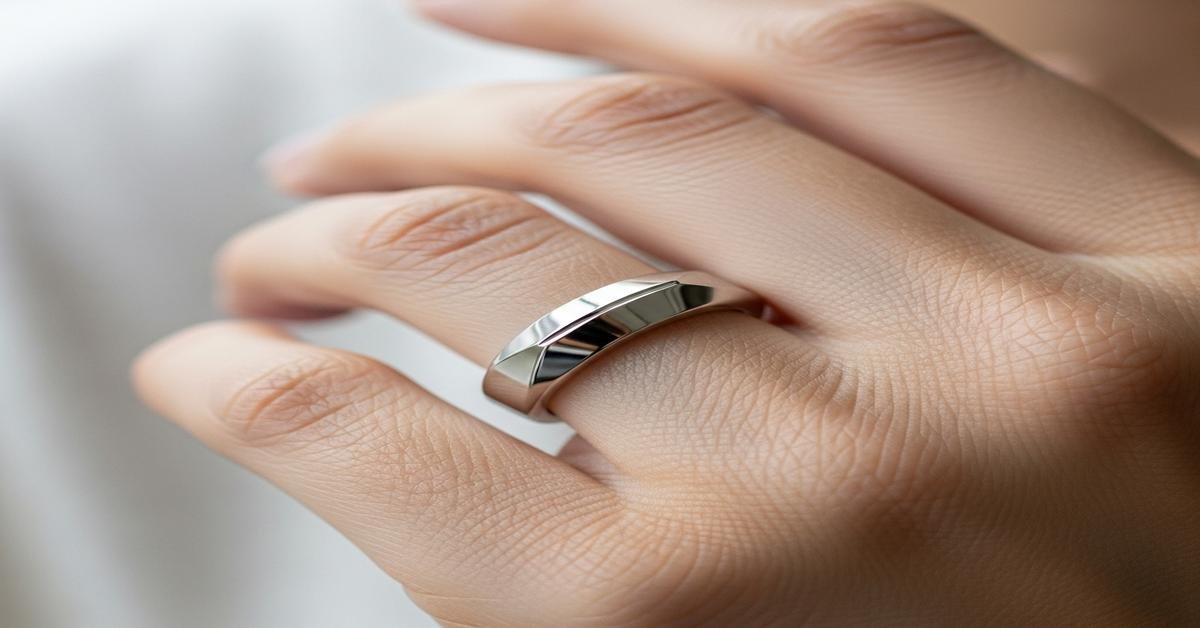
Knife-edge bands are a popular choice for wedding rings and fashion rings. They create a slim, elegant profile by tapering the metal to a central ridge or “knife” down the middle. That sharp look flatters the finger, but it also hides maintenance needs. This article explains how knife-edge bands are built, which metals and widths work best, what wears out first, and exactly how to care for and repair them so the edge lasts without losing the look you paid for.
What a knife-edge band is — and why it looks slimmer
A knife-edge band has a V-shaped cross-section. The two sloping faces meet at a ridge or apex. Visually, that ridge reduces the visible surface area on the finger. That makes the finger appear narrower. The ridge also creates catch lights along the metal, which enhances sparkle without stones.
Typical widths are 2–8 mm: 2–3 mm for slim stackable bands, 3–5 mm for standard wedding bands, and 6–8 mm when you want a bold look. The sharper the apex and the narrower the width, the more delicate the ring will be. That’s why the actual thickness at the apex matters: aim for an apex thickness of about 0.7–1.2 mm for everyday wear. Less than 0.5 mm will bend or chip easily; above 1.2 mm the ridge will look blunted.
Design details that change performance
- Apex profile: A razor-sharp point is striking, but it will round with normal wear. A slightly rounded or “soft” knife-edge keeps the look while adding strength and comfort.
- Interior shape: Comfort-fit (rounded inside) reduces pressure and makes the ring feel thinner than a flat interior. Comfort-fit also allows easier sliding over knuckles when resizing is needed.
- Width and mass: Wider bands allow a stronger edge because there is more metal to support the ridge. A 4 mm platinum band will maintain its profile longer than a 3 mm gold band with the same apex thickness.
- Stone settings: Knife-edge looks great with a solitaire. But pavé or shared-prong stones can catch on the sloping faces, and channel settings require a broader, flatter shoulder to protect the stones. Bezel or half-bezel settings pair well because they protect the center stone and can be integrated into the edge form.
How metal choice affects durability
Alloy matters because it sets hardness, ductility, and how the metal responds to polishing or welding.
- 14k gold (58.3% pure gold) is harder and more scratch-resistant than 18k, because it contains more copper/silver alloy. For active wearers who want the knife-edge look, 14k is a pragmatic choice.
- 18k gold (75% pure gold) is softer and will show scratches faster. It polishes beautifully, but the apex will round sooner with daily wear.
- Platinum (commonly Pt950) is very dense and resists deformation better than high-karat gold. It scratches by moving metal rather than losing material, so the ridge can get matte but stays in place longer. Platinum is heavier and more expensive, and welding is usually done with a torch or laser by a skilled jeweler.
- Palladium (often 95%) behaves similar to platinum but lighter and usually less costly. It’s a good alternative for a durable white metal.
- Silver is soft and will wear quickly; avoid very sharp knife-edge profiles in sterling silver if you expect daily wear.
Resizing, repairs, and what to expect from a jeweler
Resizing a knife-edge band is more complex than resizing a flat band. The ridge must be centered again after soldering. That means:
- Minor resizing (±1 size) is usually straightforward. The jeweler cuts, solders or laser-welds, and re-files the edge to match the original shape.
- Resizing beyond ±1–2 sizes can require re-cutting the entire profile. If the ring has inlaid stones or pavé around the shank, resizing can be impossible without removing and resetting stones.
- Repairing a rounded or damaged apex involves re-profiling. A skilled jeweler will use files, small burs, or CNC milling and then polish. Expect to lose some metal thickness in rework; repeated re-profiling over many years can change the original look.
- Rhodium plating on white gold appears bright but wears off. Re-plating every 6–24 months is common depending on wear. Re-plating should be done carefully to preserve the knife edge; thick plating will soften the visual sharpness.
Everyday wear and maintenance — practical steps
- Daily care: Wipe the ring with a soft cloth after wearing. That removes oils and grit that accelerate edge wear.
- Cleaning: Weekly soak in warm water with a drop of mild dish soap and a soft toothbrush. Rinse and dry. Avoid harsh abrasives, bleach, or acetone. Chlorine and bleach can weaken gold alloys and damage some gemstones.
- Ultrasonic cleaners: Safe for solid metal bands, but avoid if the ring has fragile stones (opal, emerald) or poorly set pavé stones. Ultrasonic action can loosen settings.
- Inspection: Check edges and settings every 6–12 months. Look for flattened or nicked apexes and loose stones. Early repair prevents bigger work later.
- When to remove: Take the ring off for heavy manual tasks, weightlifting, gardening, and swimming in chlorinated pools. These activities accelerate abrasion and can nick the edge.
Choosing the right knife-edge band
If you want the crispest ridge and minimal upkeep, choose a wider band (4–6 mm) in platinum or 14k gold with a slightly blunted apex. If you prefer a delicate look and will only wear the ring occasionally, a narrow 2–3 mm 18k gold band gives the sharpest aesthetic but will need more frequent polishing and possible re-profiling.
Ask your jeweler for the apex thickness in millimeters and whether the interior is comfort-fit. Request a photo of the cross-section if possible. For rings with stones, specify a protective setting (bezel or half-bezel) or a rounded edge to reduce catching.
Your knife-edge band can keep its elegant silhouette for years if you choose the right metal and design for your lifestyle. Know the trade-offs: sharper edges are more fragile; stronger alloys and slightly softened profiles give you the look with fewer repairs. Regular cleaning and yearly inspections are the simplest, most effective maintenance steps.