Blog
Lab-Grown Resale in Britain: What Part-Exchange Really Gets You

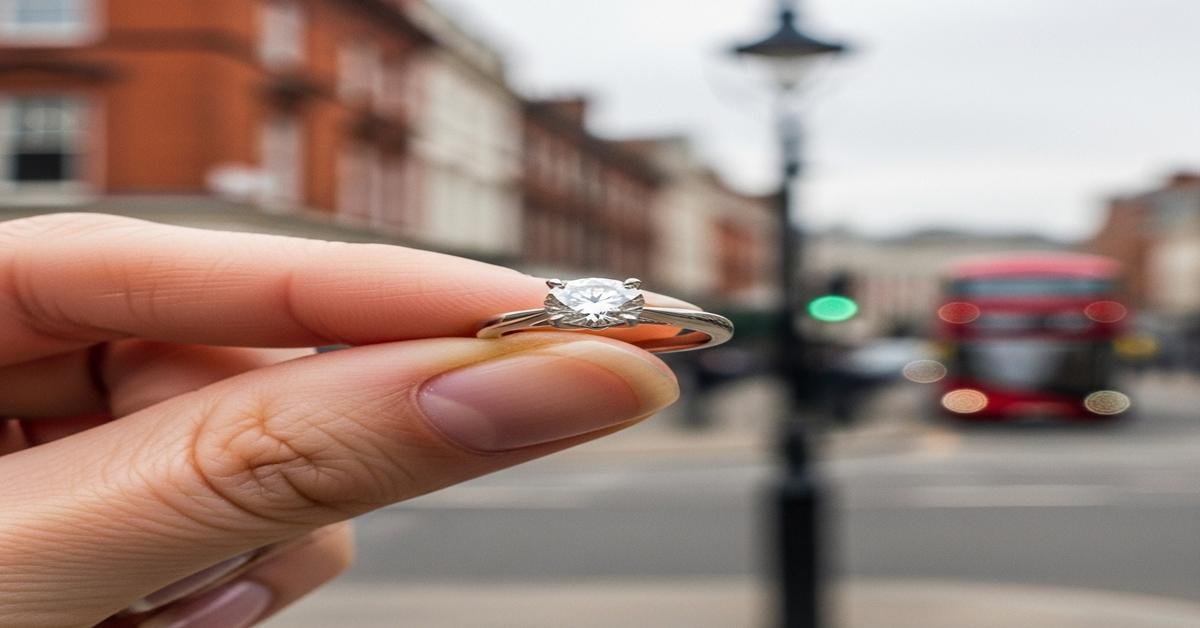
Part-exchange is an easy way to move on a lab-grown diamond ring in Britain, especially when you’re trading up at the same shop. But what you actually get — cash, credit, or a straight swap — and how much it’s worth depend on several technical and market factors. Below I explain how part-exchange works, what drives the offers, realistic examples using common sizes and alloys, and practical steps to get the best outcome.
How part-exchange works in Britain
Part-exchange means a retailer accepts your old jewellery (usually as a deposit) toward a new purchase. Retailers handle the resale or recycling themselves. That saves you time and effort, but it also means the retailer must build in margins for processing, certification, repairs and reselling risks — so their offer will be below what you could get selling privately.
Why that matters: retailers price conservatively because the secondary market for lab-grown diamonds is still thin and prices move faster than for natural diamonds. They need room to refurbish, certify and make a profit.
What affects the offer
- Diamond size and cut (ct and mm). Larger and well-cut stones keep value better. For example, a 1.00 ct round brilliant (about 6.4 mm) is easier to resell than a 0.40 ct marquise.
- Colour and clarity grades. Lab-grown diamonds graded G–H colour and VS–SI clarity are the most liquid. Fancy colours or lower clarity can limit buyers.
- Certification. An independent grading report (IGI, GIA, or GCAL) increases value. Retail-only paperwork is weaker.
- Metal and hallmark. Precious metal content matters. 18ct gold is 75% gold; 9ct is 37.5%. Platinum is heavier and often adds resale value. A clear assay office hallmark makes the piece easier to price.
- Condition and setting style. Damaged claws, worn shanks or custom designs reduce offers because retailers may need to recut, re-tip claws or reset the stone.
- Brand and original invoice. Branded pieces or a recent invoice help, because retailers can verify provenance and warranty history.
Typical offers — realistic examples
Prices change, but these examples show likely part-exchange ranges and the reasoning behind them. I’m using rounded figures for clarity — always get multiple offers.
- Example A — 1.00 ct round lab-grown, G colour, VS2 clarity (approx. 6.4 mm), set in 18ct white gold.
Retailers may offer roughly 20–50% of your original retail price as part-exchange credit. Why such a range? If the stone has a trusted IGI/GIA report, is in good condition and demand is present, the offer moves toward the higher end. If it lacks certification or the setting needs work, it moves lower.
- Example B — 0.50 ct oval lab-grown, H colour, SI1 clarity (approx. 5.2 x 3.5 mm), set in 9ct yellow gold.
Smaller stones and 9ct settings usually attract lower offers: maybe 15–35% of retail value. 9ct gold has lower precious metal content (about 37.5% gold), so its scrap value is limited and reduces the part-exchange price.
- Example C — Faintly included 2.00 ct lab-grown, I colour, SI2 clarity (approx. 8.0 mm), no independent certificate, custom setting in platinum.
Large size helps, but poor clarity and missing certification hurt. Expect cautious offers or a request to remove the stone for separate grading. Offers may be as low as 10–25% of retail until the diamond is graded.
Why percentages are low: Lab-grown diamonds have seen rapid retail price declines as supply and factory capacity increased. The secondary market hasn’t kept pace, so resale values lag. Retailers must cover refurbishment, certification fees and holding costs — that is subtracted from what they offer you.
Other resale routes and how they compare
- Private sale (online marketplaces, local ads). Likely to return the highest net price — maybe 40–70% of original retail — but it takes time, you handle listing, vetting buyers and returns risk.
- Auction houses or specialist buyers. Useful for unusual or large stones. Fees and unpredictable bids can swing results; use this if the stone or design is unique.
- Dedicated second-hand jewellery buyers. Faster than private sale and sometimes better than general retailers. They still deduct refurbishment and certification costs.
- Scrap metal route. If the stone is of very low value or the setting is damaged, you may only recover metal weight — calculated from alloy composition and weight.
Practical checklist before you part-exchange
- Gather paperwork: original receipt, lab report (IGI/GIA/GCAL if available), warranty cards and any service history.
- Know the metal: find the hallmark and note alloy (e.g. 18ct white gold = 75% gold; platinum 950 typical). Retailers price metal separately.
- Get an independent valuation: ask an independent appraiser for a current market appraisal — not a retail replacement value — so you understand realistic market worth.
- Get multiple quotes: at least two or three part-exchange offers and one private-sale price estimate.
- Ask for itemised offers: make sure the retailer shows stone value, metal value and any deductions for repairs or certification.
- Decide on credit vs cash: part-exchange credit toward a new purchase is usually higher than a cash payout. If you plan to upgrade with the same retailer, you can often negotiate a better deal.
Legal, tax and disclosure points
Always confirm that the retailer will disclose the stone as lab-grown if they resell it. In Britain, clear disclosure protects buyers and maintains your reputation if you sell privately. Also ask about VAT: retailers often apply VAT differently depending on whether they value the trade-in as part of a new sale or buy it outright — so ask for the VAT treatment up front.
Finally, keep expectations realistic. Part-exchange buys convenience and speed. If getting the maximum cash return matters, prepare to sell privately, get the diamond independently graded and spend time marketing the piece. If you want a quick, simple upgrade at a reasonable price, part-exchange is a practical choice — just go in informed and with paperwork in hand.