Blog
Padparadscha Obsession: How Dealers Nudge the Definition

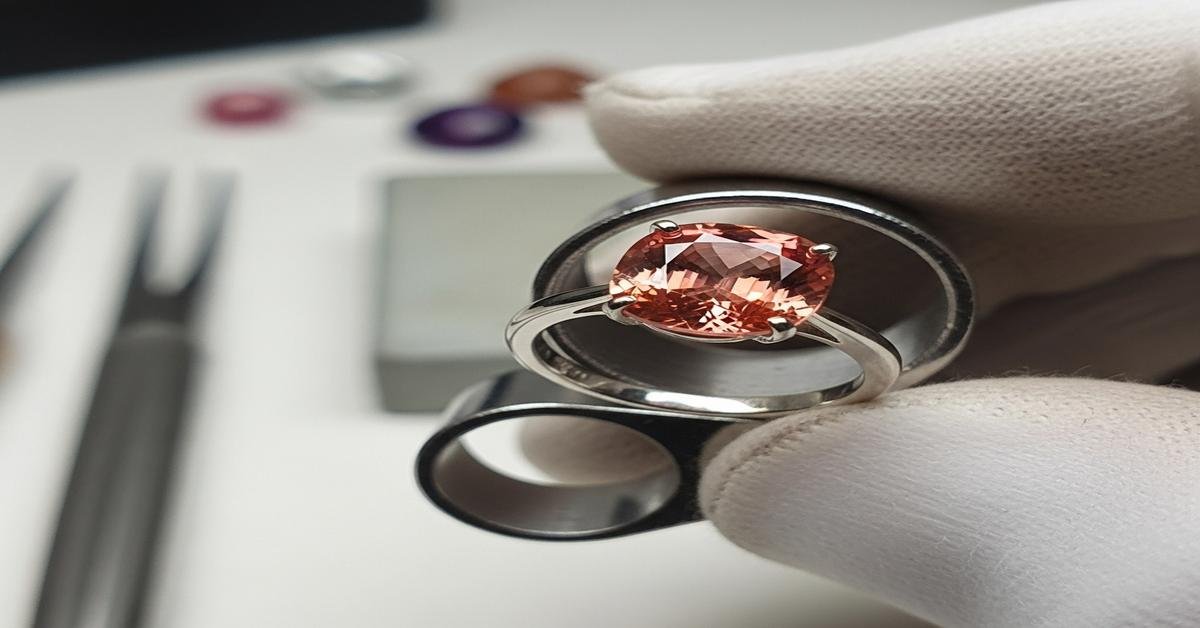
Padparadscha is one of the most debated labels in colored gemstones. Dealers, labs, and collectors argue over what color, origin, and treatment qualify a sapphire as “padparadscha.” That matters because the name carries a large price premium and a cultural prestige tied to Sri Lanka. This article explains how dealers nudge the definition, why they do it, and what buyers can do to protect themselves.
What is a padparadscha and why definitions vary
In plain terms, padparadscha refers to a pink-orange sapphire color. The word comes from a Sinhalese term for a lotus blossom. The issue is that “pink-orange” sits on a color continuum that overlaps with pink sapphires, orange sapphires, and salmon sapphires. Small shifts in hue, tone, or saturation can move a stone from one category to another.
Why the disagreement matters: the same 1.2 ct sapphire described as “padparadscha” can command several times the price of one called “pink sapphire.” That creates a strong incentive for sellers to label stones as padparadscha whenever possible.
How dealers nudge the definition
- Selective color language. Dealers use evocative descriptors—“lotus,” “sunset,” “salmon pad”—to steer perception. That frames the buyer’s expectations and makes borderline stones feel like genuine padparadscha.
- Certifying with lenient labs. Not all gem labs apply the same thresholds. Dealers sometimes seek reports from labs known to be more flexible about hue ranges or origin statements. A padparadscha report from a lenient lab becomes marketing gold.
- Origin claims. Sri Lanka (Ceylon) historically produces classic padparadscha color. Dealers often claim Sri Lankan origin because it increases price and perceived authenticity. Stones from Madagascar and Tanzania can look very similar but sell for less, so origin claims matter materially.
- Treatment emphasis or omission. Heat treatment is common and widely accepted for sapphires. Beryllium diffusion or surface diffusion, which can create or intensify orange tones, is less accepted. Some dealers omit detailed treatment language on invoices or use ambiguous phrases like “color enhanced” instead of naming the method.
- Price anchoring. Dealers list a high “catalog” price for a few strong examples to establish a benchmark, then present other stones as bargains relative to that anchor. Buyers then perceive borderline stones as underpriced padparadschas rather than correctly labeled pink-oranges.
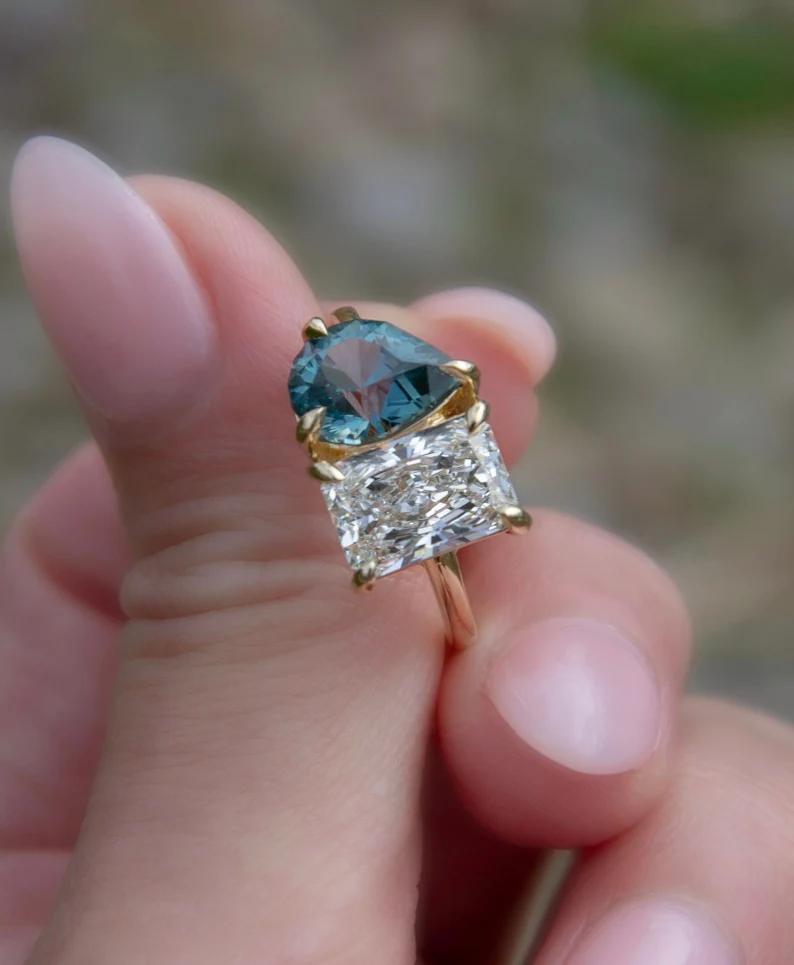
- Setting and photography choices. Warm metal settings (18k yellow or 14k rose gold) and warm light photos push perceived color toward orange. Dealers use that to make a stone appear more padparadscha-like. A 1.5 ct oval set in 18k rose often reads warmer than the loose stone under daylight.
Concrete examples dealers use
- A 1.2 ct oval described as “light padparadscha” with a lab slip saying “pink-orange sapphire” rather than explicitly naming padparadscha. The ambiguous language gives plausible deniability but nudges buyers toward a higher price.
- A 2.3 ct sapphire from Madagascar with strong orange-pink tone is marketed as “padparadscha-type” and sold at a price halfway between typical pink sapphire and premium padparadscha prices. Buyers told “origin report pending” feel reassured but may be buying a name, not a classification.
- Before-and-after photos: a loose 0.9 ct stone looks pink in daylight but set in 14k rose shows a deeper pink-orange. Dealers use the set images in ads to justify the padparadscha label for a stone that, loose, might not meet stricter lab criteria.
Why labs and terminology matter
Major labs differ in wording and thresholds. Some will explicitly call a stone “padparadscha” only if it meets tight hue, tone, and origin criteria and shows no diffusion treatment. Others will issue a “padparadscha” designation when a stone falls within a broader pink-orange range. That matters because a lab report is what many buyers use to compare value.
Labs can also detect certain treatments. Heat treatment is easy to document and generally accepted. Beryllium diffusion is detectable by advanced testing but not all labs have the same equipment or policies. A dealer might avoid a full disclosure if working with a lab that doesn’t test for diffusion routinely.
What this means for price and resale
Labeling affects liquidity. A well-documented, untreated Sri Lankan padparadscha of 1–3 ct sells much faster and at a higher per-carat price than a similarly colored treated or non-Sri Lankan stone. Buyers who purchase on label alone often see a resale discount if the market later decides the stone is “padparadscha-like” rather than a true padparadscha.
How buyers can protect themselves
- Insist on a full lab report. Request an independent report from a major lab (for example, GIA, SSEF, or Gübelin). The report should state color, origin if determined, and any treatments detected.
- Ask for color coordinates or standardized photos. Request photos under standard daylight (D65) and include a gray card. If possible, ask for CIE L*a*b* or hue/saturation/tone coordinates so you can compare objectively.
- Demand treatment transparency. Explicitly ask whether beryllium diffusion or surface diffusion has been used. If the dealer hedges, treat that as a red flag.
- Compare loose and set. If you see a stone set in warm metal, ask to view the loose gem or photos of the loose gem under neutral light. Settings can shift perceived color by several hue points.
- Set a price ceiling per carat. Decide before shopping what you’ll pay for untreated Sri Lankan padparadscha versus padparadscha-like stones from other origins. For example, you might pay X per ct for verified Sri Lankan untreated and 30–70% less for Madagascar material.
- Get return terms in writing. Insist on a clear return policy and a written declaration of the stone’s description on the invoice (color words, treatment, lab name).
Final thoughts
Padparadscha is as much a market construct as a color category. Dealers nudge its definition because doing so increases margins. The practical response for buyers is simple: insist on objective information, independent lab verification, and written treatment disclosure. That way you pay for the color and quality you actually receive, not just the label.