Blog
Price Slides: Are UK Lab-Grown Deals Hiding Older Stock?

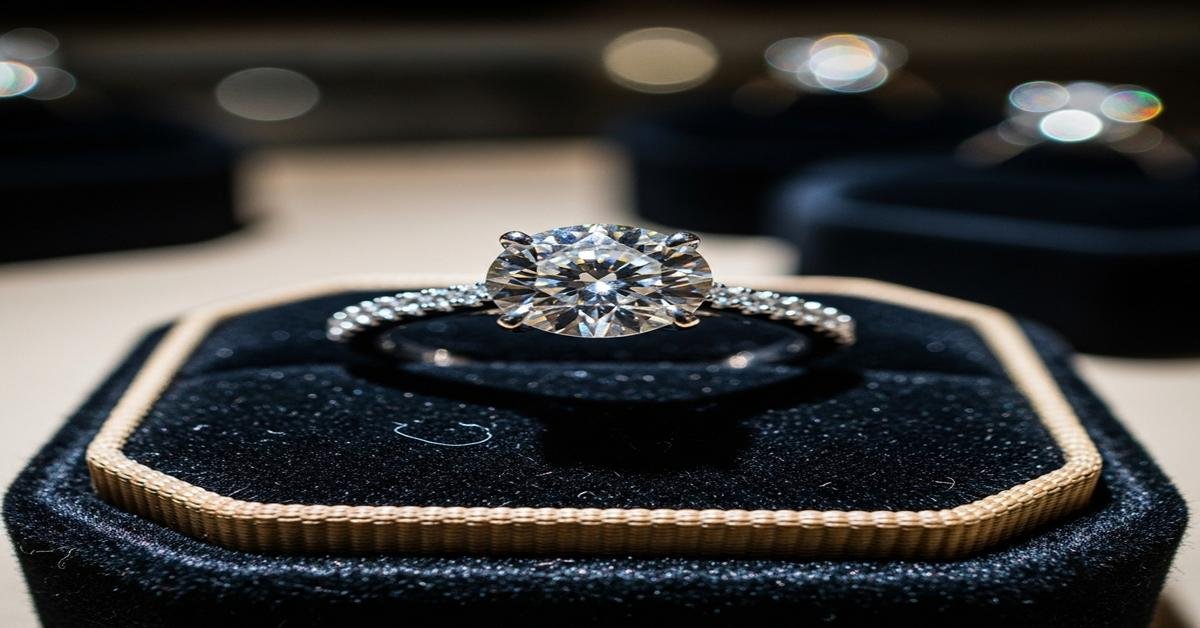
Price cuts on lab-grown diamonds in the UK feel like a good deal. But sometimes a low price hides older inventory bought at a higher cost or produced with older methods. That matters because the age and origin of a lab-grown stone can affect cut quality, colour stability, grading, and long-term resale value. Below I explain how to spot older stock, why retailers discount it, and how to buy with confidence.
Why lab-grown prices have fallen
Production and technology have improved quickly. Early lab-grown diamonds were more expensive because methods (HPHT and early CVD) were new and slower. Over time, larger, more efficient CVD reactors and better HPHT presses increased supply. Wholesale prices dropped as a result. Retailers who bought inventory before the drop may now mark prices down to move stock.
Other forces push prices lower too: intensifying competition from online retailers, clearer rules around disclosure (so sellers can no longer blur lab-grown vs natural), and changing consumer demand. The result is periodic “price slides” — visible discounts that can include newer production and older inventory mixed together.
How older lab-grown stock differs from newer stones
Older lab-grown diamonds often show technical and stylistic differences that you can check for:
- Cut priority: Early stones were frequently cut to maximise carat weight rather than light performance. Expect shallower depths or off-ideal proportions. For example, a 1.00 ct round (≈6.4 mm) cut for weight might have shallower pavilion angles and poorer brilliance than a modern “ideal” cut of the same size.
- Growth method signatures: Older HPHT stones can show metallic inclusions or cuboctahedral crystal remnants. Early CVD stones sometimes show stacking lines or brownish hues that require post-growth treatment to correct.
- Colour and treatment: Early production sometimes needed HPHT annealing to remove brown tint. Later CVD processes produce cleaner colour grades with less treatment. An older K–L brownish lab-grown that’s been treated will likely be cheaper than a newer untreated G–H stone.
- Grading reports and inscriptions: Labs began consistently identifying lab-grown stones at different times. An older IGI report or a report issued several years ago could indicate older inventory. Laser inscriptions stating “LAB GROWN” with an older year are a signal.
- Cut quality trends: Suppliers today are more likely to supply ideal-cut lab-grown rounds and branded cut standards. Older stock may have lower symmetry, polish grades, or sub‑optimal pavilion angles.
Why retailers cut prices on older lab-grown stock
Retailers discount old lab-grown inventory for predictable business reasons:
- Inventory cost recovery: If a retailer bought stones at higher wholesale prices, they will discount to avoid carrying cost and capital tied up in inventory.
- Product refresh: Newer, better-cut lab-grown stones hit the market. To make room, retailers clear older, less competitive items.
- Promotions and positioning: Some businesses use older stock as “loss leaders” to attract buyers into higher-margin services like settings, resizing, or warranties.
- Compliance pressure: Stronger disclosure rules make it harder to sell older lab-grown stones alongside naturals without clear labelling. Retailers may discount to sell rather than deal with returns or complaints.
Red flags that suggest older inventory
- Grading report date is several years old or the report is from a lab known for less rigorous grading in earlier years (ask the seller for details).
- No laser inscription or inscription does not match the lab report number.
- Stone has unusual tint or needs notes on treatment/annealing on the certificate.
- Price is significantly below current market comparables for the same carat, colour and clarity — and the seller offers only short returns or restricted warranties.
- Cut proportions deviate from modern standards (e.g., very shallow pavilion, excessive crown height) causing poor light return.
Questions to ask before you buy
Ask the seller these exact questions and expect clear answers:
- “What is the lab report number and issue date?” Verify the report with the laboratory and confirm the laser inscription matches.
- “What growth method was used — CVD or HPHT — and was any post-growth treatment applied?” This affects colour stability and origins.
- “When was the stone acquired by the shop?” Older acquisition dates can explain steep discounts.
- “Do you have light performance data or pictures under an ideal-scope/ASET?” These show real-world brilliance beyond the report’s numbers.
- “What is the return, warranty and buy-back policy?” Confirm these in writing. Older stones may come with shorter guarantees.
Practical buying rules and examples
Be specific about what you want. If you want a 1.00 ct round lab-grown, say so: ask for a G–H colour, VS1–VS2 clarity, and a triple excellent or ideal cut report. For reference, a 1.00 ct round is typically about 6.4 mm across. Ask to see the grading report and the laser inscription before purchase.
For gold settings, check alloy marks: 18ct yellow gold should be stamped 750 (75% gold), 9ct is 375 (37.5% gold). A cheap price on an 18ct-set ring might be hiding a recut or a recycled older stone.
Resale and long-term value
Lab-grown diamonds generally depreciate faster than natural diamonds. Older stock sold at a big discount today will likely have even lower resale value. If you plan to resell or trade in, factor this into your buying decision. If you want lower depreciation risk, prioritise newer production with up-to-date certificates, ideal cut, and clear lab inscriptions.
Bottom line
Price slides can be genuine savings — but they can also be retailers clearing older, lower-quality stock bought at higher costs. The difference is transparency. Always insist on a current, third-party grading report, matching laser inscription, a clear statement about growth method and treatments, and a sensible return or warranty policy. With that information you can judge whether the discount is a true bargain or merely an older stone dressed as a deal.