Blog
Rose Gold Going Coppery? What Your Skin pH Is Telling You

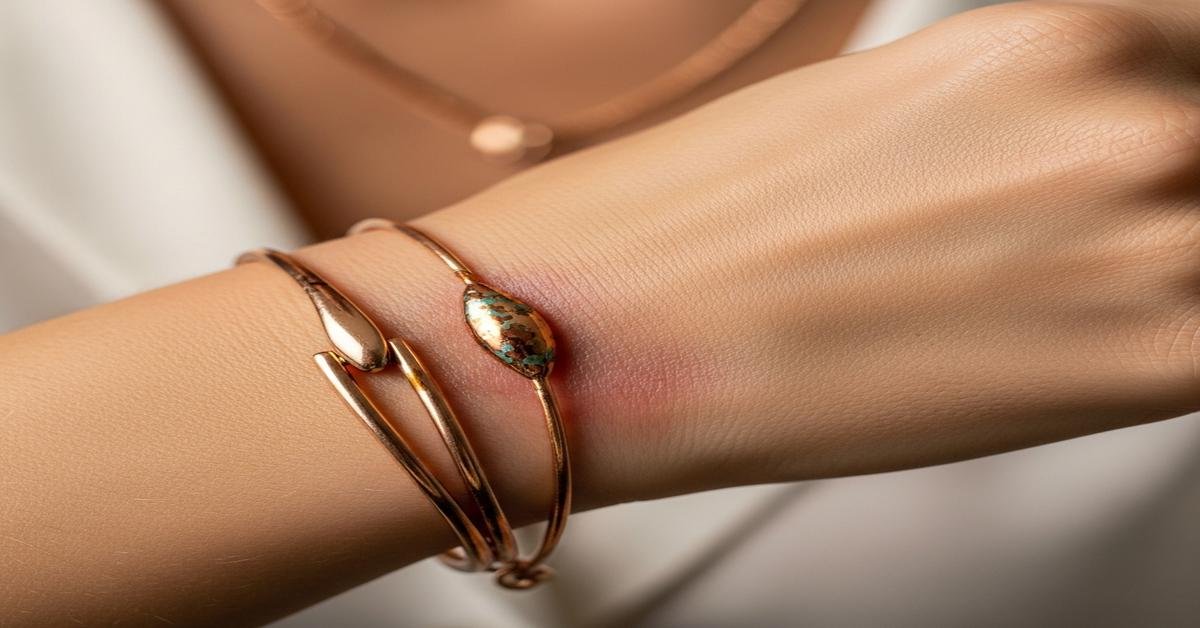
Rose gold looks pink because the alloy mixes gold with copper. If your rose gold starts looking more orange or “coppery,” that usually means copper is showing through the surface. Your skin chemistry — especially skin pH and saltiness of sweat — speeds this change by dissolving or oxidizing the copper in the alloy. Below I explain how that happens, which alloys are more likely to shift color, how to check your skin pH, and practical steps to stop or slow the coppery shift.
Why rose gold can turn coppery
Pure gold is yellow and chemically stable. Rose gold is an alloy: gold plus copper (and often a little silver). The visible color depends on the relative amounts. If copper becomes concentrated at the surface or the gold layer is removed, the piece looks more orange.
The two common standards are:
- 18k rose gold (approx.): 75% Au, ~20–22% Cu, a few percent Ag. Copper is substantial but not dominant.
- 14k rose gold (approx.): 58.3% Au, ~35–42% total alloy. Copper often sits around 30–40%, so the copper influence is stronger.
Lower-karat rose gold and costume jewelry often contain more copper or are copper-plated brass. Those will show copper tones and staining much sooner.
How skin pH and sweat affect the metal
Skin has an “acid mantle.” Typical surface pH is around 4.5–5.5, but it varies by person, age, soaps, hormones, and medications. Sweat itself can be a little acidic to neutral (roughly pH 4.5–7.0) and contains chloride (salt), lactic acid and amino acids.
Here’s the chemistry in plain terms:
- Acidic sweat can accelerate copper dissolution. Copper atoms at the alloy surface can convert into copper ions and leave the metal, exposing more copper beneath or forming colored copper salts on the surface.
- Chloride (salt) from sweat increases corrosion and helps form greenish or brownish copper compounds that change the look of the metal and can transfer to skin.
- Repeated wet-dry cycles — sweating, drying, re-sweating — increase the rate of surface breakdown and tarnishing.
So if your skin is more acidic or you sweat heavily and saltily, the copper in rose gold will be more likely to leach out or oxidize, making the piece look coppery.
Other factors that matter
- Alloy composition: the higher the percentage of copper, the more coppery the final piece can look once the surface changes.
- Plating and surface finish: plated or filled jewelry will wear through to base metal (often copper or brass) and reveal an orange tone.
- Cleaning and chemicals: alkaline soaps, bleach, chlorine (swimming pools), and harsh cleaners can strip protective layers and speed copper exposure.
- Skin conditions and products: lotions, perfumes and topical medications change local pH or leave residues that react with metal.
How you can test what’s happening
- Check the stamp: a hallmark like 18k / 750 or 14k / 585 tells you the gold content and suggests roughly how much copper to expect.
- Use pH strips: press a pH test strip to clean, slightly sweaty skin (behind the ear or inner wrist after gentle exercise). Read the strip to see if your skin is low (more acidic) or nearer neutral. Typical strips for pH 4–7 work fine.
- Try a wear test: wear a small piece on a different finger or for a short time after washing with no lotion. If staining or color change happens quickly, the piece is reacting to your chemistry or the plating is thin.
Practical fixes to reduce coppery change
Choose and care for jewelry based on how your body reacts. Practical options:
- Buy higher-karat rose gold: 18k rose has less copper by percentage than 14k. That makes the pink tone more stable and less prone to copper showing through.
- Avoid plated pieces: gold-plated brass or copper will wear through and reveal orange metal. Look for solid gold or high-quality gold-filled items.
- Ask about the alloy: reputable makers can tell you approximate copper % in the alloy. Less copper = less chance of coppery shift.
- Wear a barrier: clear nail polish on the inner band is a short-term barrier between skin and metal. It must be reapplied and will wear off but prevents direct contact.
- Professional treatments: a jeweler can re-polish, lightly remove oxidized surface and re-plate (if plated) or apply a protective coating. Re-plating is a longer-term fix for thinly plated items.
- Daily care: keep rings clean and dry. Remove jewelry for swimming, heavy exercise, dishwashing and when applying lotions. Clean with mild soap, warm water and a soft brush, then dry completely.
When to see a jeweler
Take the piece to a jeweler if you see:
- Large areas of orange or dark tarnish that don’t clean off.
- Flaking of plating or rough edges from corrosion.
- Skin irritation beyond simple staining (you may be allergic to an alloy component).
A jeweler can identify whether the piece is solid rose gold, gold-filled, or plated, and advise on re-polishing, re-plating, or replacing it with a different alloy.
Quick recap
Rose gold goes coppery when copper in the alloy oxidizes or leaches to the surface. Acidic or salty sweat, frequent wet-dry cycles, and thin plating all speed that process. To prevent the change, prefer higher-karat or solid rose gold, avoid plated pieces, use barriers if needed, and keep jewelry clean and dry. If you want a permanent fix, ask a jeweler about re-plating or choosing a different alloy.