Blog
Montana vs Sri Lankan: The Blue UK Buyers Prefer in Grey Skies

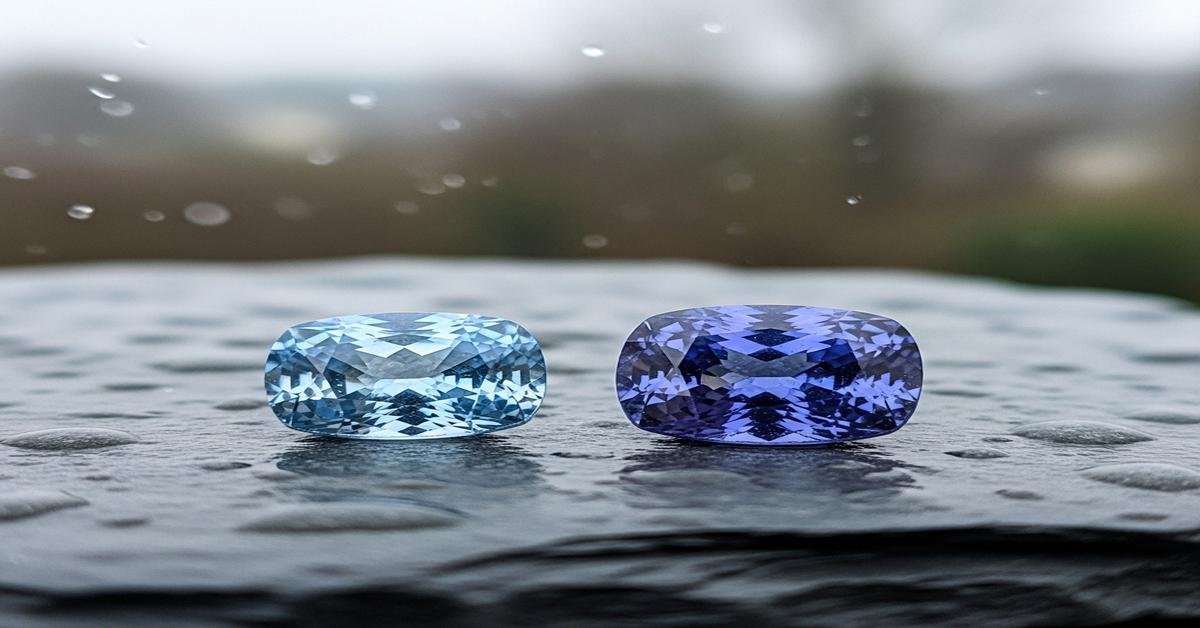
The blue of a sapphire looks different in London drizzle than in Mediterranean sun. For UK buyers who wear jewelry mostly under grey skies, the difference between a Montana sapphire and a Sri Lankan (Ceylon) sapphire matters. This article explains the practical differences in color, cut, treatment, price and metal choices — and tells you which characteristics keep a blue sapphire vivid on cloudy days and in indoor light.
How Montana and Sri Lankan sapphires differ — color, tone and origin
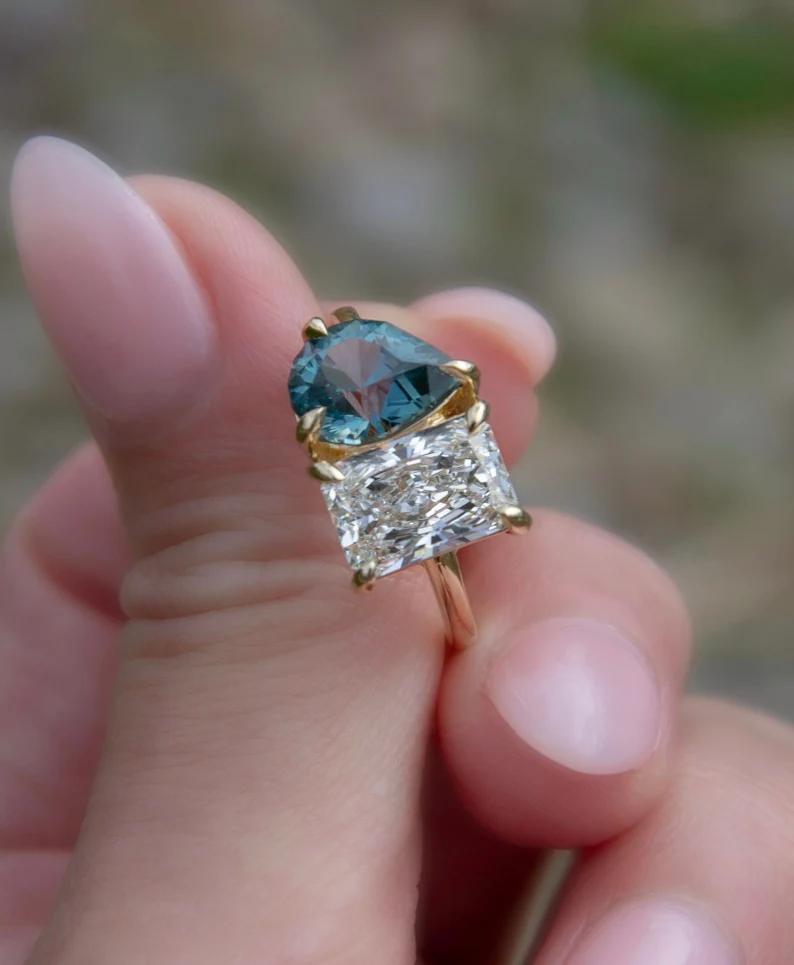
Montana sapphires come from several deposits in Montana, USA. They range from teal and blue-green to deep cornflower blue. Many are prized for their unusual greenish-blue hues. Some subtypes, like Yogo sapphires, are intensely saturated, always blue and often untreated — those are rare and collectable.
Sri Lankan (Ceylon) sapphires typically show a cleaner, purer blue with a lighter to medium tone. The classic Ceylon blue is described as “cornflower” — a bright, slightly violet-tinged blue that catches the eye. Sri Lankan sapphires often have better clarity and a lively sparkle when cut well.
Why UK light changes what looks best
Most UK daylight is diffuse. Diffuse light reduces contrast and can make deep, heavily saturated stones look dull. A sapphire that looks terrific in bright sun may look flat in overcast light.
So the goal is color that carries its saturation without needing direct sun. That means a slightly lighter tone and a clean hue with little green. Under grey skies, a medium-light to medium tone sapphire with good saturation still looks vivid. Too dark a tone absorbs the available light and appears lifeless.
Practical specs UK buyers should prefer
- Hue: Pure blue to slightly violet-blue. Avoid dominant green tones if you want a classic “blue” that reads the same in clouded daylight.
- Tone & saturation: Aim for medium-light to medium tone with medium to strong saturation. This balances brightness and depth in low light.
- Size: For engagement rings, 1–2 ct is common. A 1 ct sapphire (round or oval) typically measures around 5–6 mm across; a 2 ct sits around 7–8 mm, depending on cut and depth. Larger stones (>3 ct) show color more easily but also risk looking dark if tone is heavy.
- Cut: Choose cuts that maximize light return. Brilliant or mixed cuts (brilliant facets on crown, step on pavilion) increase sparkle. Shallow or overly deep cuts trap light and make color appear darker.
- Clarity: Eye-clean stones are ideal. Small silk inclusions can soften color and are acceptable, but avoid heavy crystal inclusions that block light.
- Metal: For the UK’s muted light, yellow gold (9k = 37.5% gold; 18k = 75% gold) can warm a blue slightly and make it pop visually. White gold or platinum keeps the look crisp and modern. Choose alloy and karat by price, scratch resistance and personal style.
Treatment, origin and value — what to ask
Sri Lankan sapphires are commonly heat-treated to improve color and clarity. Heat is stable and widely accepted, but it should be disclosed. Untreated Ceylons with top color command a premium.
Montana sapphires are often sold untreated, or with minimal treatment. Yogo and some Rock Creek stones are famous for being naturally vibrant. That untreated status can be attractive and adds value for buyers who prefer natural stones.
Ask for these specifics when buying:
- Written disclosure of treatments.
- Provenance or origin statement when available (Montana vs Sri Lanka).
- Laboratory report for stones over about £1,000–£1,500, or whenever origin/treatment materially affects price. Labs include GIA, SSEF and others; the key is an objective report, not just a dealer note.
Price and rarity—how the markets differ
Sri Lankan sapphires generally have higher demand in the market for classic blue stones. That demand pushes prices up for high-clarity, well-colored Ceylons. Montana sapphires often offer more accessible price points and unique colors. However, rare Montana examples (especially Yogo) can be as costly as Ceylons because of scarcity.
Why the price gap? Buyers pay for:
- Consistency of the classic blue hue (Sri Lanka).
- Natural, untreated status and rarity (some Montana stones).
- Large sizes with eye-clean clarity and excellent cut (both sources).
Settings and care for cloudy climates
For daily wear in the UK, choose secure settings and durable metals. Platinum and 18k gold are tougher choices for engagement rings. Prongs should be robust; bezel settings protect the stone and reduce maintenance.
Sapphires are hard (9 on Mohs scale) and wear well. Clean regularly with warm water, mild detergent and a soft brush. Ultrasonic cleaners are usually safe for heat-treated sapphires but avoid if the stone has fracture-filled areas or uncertain treatments.
Quick buying checklist for UK shoppers
- View stones in diffuse daylight or ask for photos taken in overcast natural light.
- Prefer medium-light to medium tone with pure blue or slight violet — avoid green bias.
- Choose a well-cut stone that returns light; brilliant/mixed cuts are best for sparkle in low light.
- Request treatment disclosure and a lab report for high-value stones.
- Pick a metal that complements the blue: yellow gold for warmth, white metal for a cool look.
Bottom line: for grey UK skies, many buyers prefer the cleaner, brighter blues that Sri Lankan sapphires often deliver. Montana sapphires remain attractive for shoppers who want unique blue-green hues or better value, and untreated Montana pieces (like Yogo) carry their own cachet. Choose by how the stone reads in the light you’ll wear it in, and insist on clear treatment and origin information before you buy.