Blog
Claw Colour Matters: Yellow vs White Gold Under UK LEDs

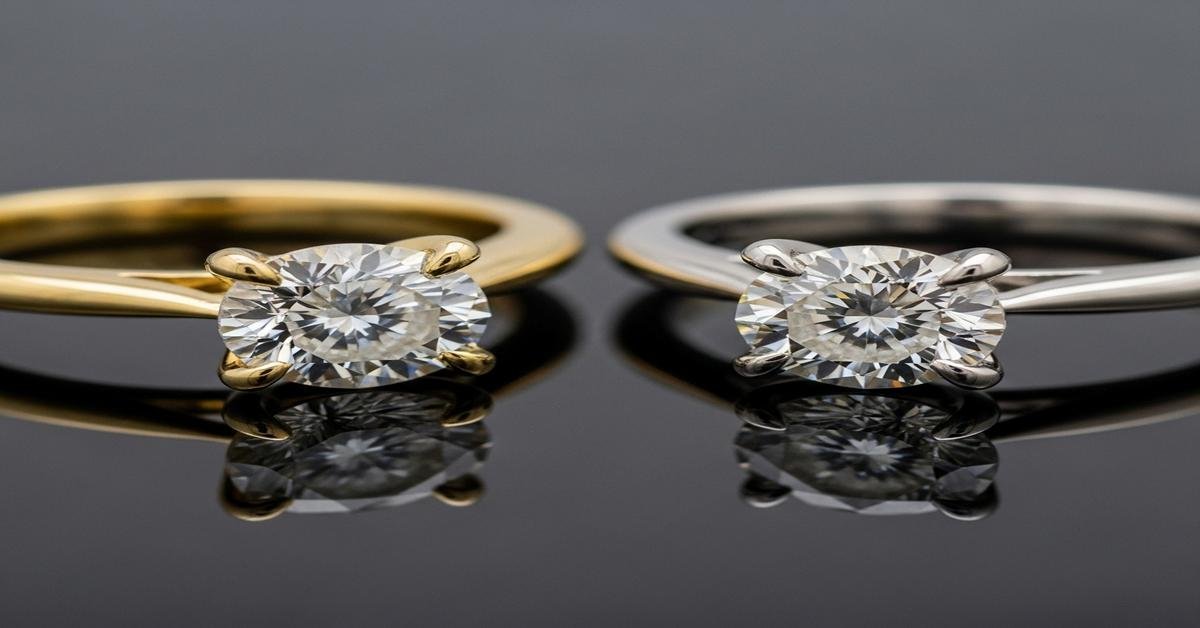
When you look at a diamond or coloured stone in a shop, the small metal claws (prongs) that hold it in place do more than secure the gem. They change what you see. Under the LEDs commonly used in UK shops and homes, claw colour — yellow gold versus white gold (and rhodium-plated white gold) — affects the stone’s perceived whiteness, warmth, sparkle and even size. Below I explain how and why, with practical guidance so you can choose deliberately rather than by habit.
How UK LEDs change colour perception
LEDs differ by colour temperature and by how accurately they render colours. Colour temperature is measured in kelvin (K). Typical retail and home LEDs in the UK range from about 3000K (warm) to 4000K (neutral)5000–6500K (daylight). Lower K looks warmer (more yellow/red); higher K looks cooler (bluer).
Colour Rendering Index (CRI) tells how accurately a light shows true colour. CRI above 90 is needed to judge gems reliably. Many cheap LEDs have CRI 80 or lower; these can shift stone colour and metal reflections. LEDs also have spectral spikes (often in the blue region around 450 nm). Those spikes increase apparent “fire” and blue scintillation in diamonds but can exaggerate cool tones.
Why metal colour matters: basic optics
Prongs sit next to the pavilion and girdle and reflect light into the stone. Metals act like tiny mirrors. A yellow prong reflects warm wavelengths back into the near-surface facets; a silvery prong reflects cooler, neutral light. The reflected light mixes with the light leaving the stone and changes its face-up colour and contrast.
So the metal doesn’t magically change the diamond’s intrinsic grade, but it alters your eye’s read of the stone under that lighting. That’s why jewellers often match metal and stone to give the most pleasing face-up look under their shop lights.
Alloy composition and practical differences
- 9ct yellow gold (375) — 37.5% gold with copper/silver. Stronger, less expensive, warm reflection. Common in the UK for durability and cost.
- 18ct yellow gold (750) — 75% gold with alloy mix that keeps warm tone but softer metal. Warmer reflection than 9ct.
- White gold (9ct/18ct) — gold alloyed with nickel, palladium or both. The base alloy looks slightly cream or pale yellow, so most white-gold jewellery is rhodium plated to achieve a bright white finish.
- Rhodium plating — typically 0.5–2 microns thick. It gives a bright white surface like platinum. It wears off with daily use and usually needs re-plating every 1–3 years depending on wear and thickness.
- Platinum (Pt950) — naturally white and heavier. It doesn’t need plating and is hypoallergenic; reflections are neutral and durable.
How claw colour alters diamond appearance — practical rules
Think of claw colour as a quick tool to tune face-up colour and contrast:
- Colourless stones (D–F): White metals and rhodium-plated claws keep the cool, crisp look these grades deserve. Why: there is little warm tint to hide, and neutral reflections preserve the stone’s icy appearance.
- Near-colourless stones (G–H): Both white and yellow work. White metal emphasizes brightness and makes the stone look slightly cooler. Yellow metal can warm the face-up slightly, useful if you prefer a softer look. Why: the subtle warmth in G–H grades can either be minimized by white metal or embraced by yellow metal depending on taste.
- Lower colour grades (I–K and lower): Yellow gold often makes the stone look more pleasing because the surrounding warm reflection reduces contrast between the stone’s bodycolour and the metal. Why: yellow reflections mask the stone’s yellow tint by blending rather than increasing contrast.
- Small or low-depth stones: White claws tend to “disappear,” making the table edge visually uninterrupted and the stone appear larger. Yellow claws are more visible and can break the outline. Why: white reflections closely match facet reflections; yellow prongs produce a visible warm patch.
LED specifics that interact with metal choice
Under a warm 3000K LED, yellow gold’s warmth is reinforced — a warm-yielding stone can look warmer still. Under neutral 4000K or cool 5000–6500K LEDs, yellow metal’s warmth is countered by the light source, often creating a balanced or slightly warm look. White gold under a cool, high-CRI LED will emphasise cool tones and the diamond’s icy sparkle. Low-CRI or cheap LEDs can make white gold look slightly dull or even take on a pinkish cast if the alloy is copper-rich.
Gemstones (sapphire, ruby, emerald) — different rules
Claw colour has a stronger perceptual effect on coloured gems because their bodycolour is the defining trait.
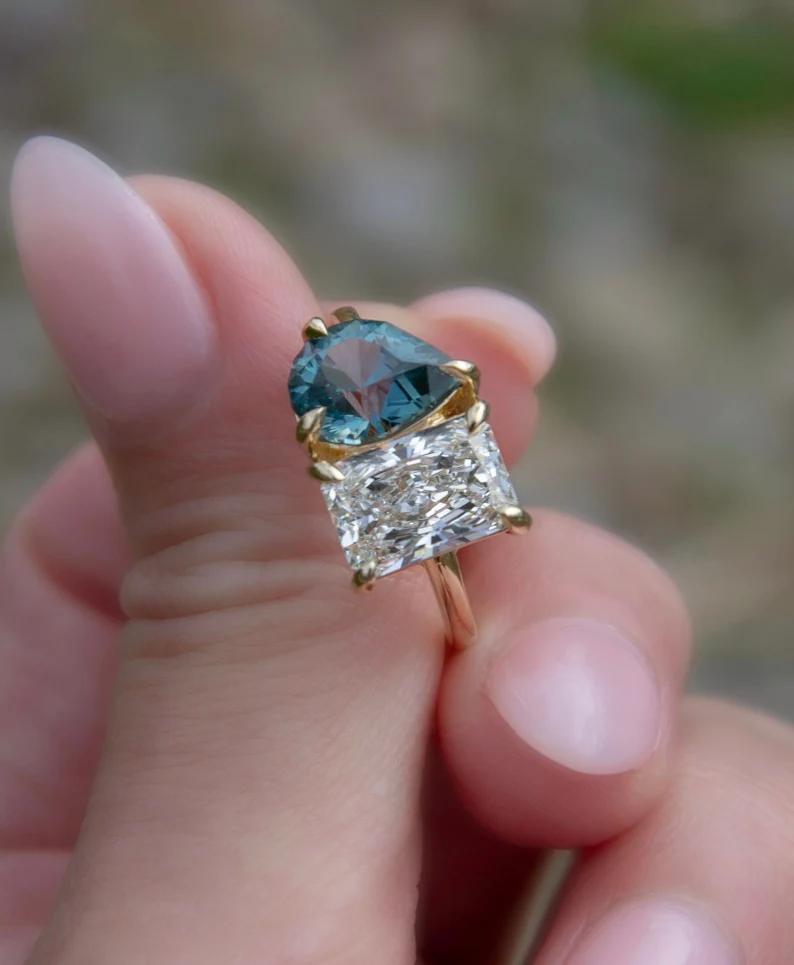
- Blue stones (sapphire, tanzanite): White or platinum claws preserve pure blue tones. Yellow gold can warm blues toward teal. Why: yellow reflections add long-wavelength light that shifts perceived hue.
- Red stones (ruby): Yellow gold can enhance perceived warmth and richness. White metal keeps colours truer to their pure red. Why: the metal’s reflected spectrum mixes with the gem’s transmitted light.
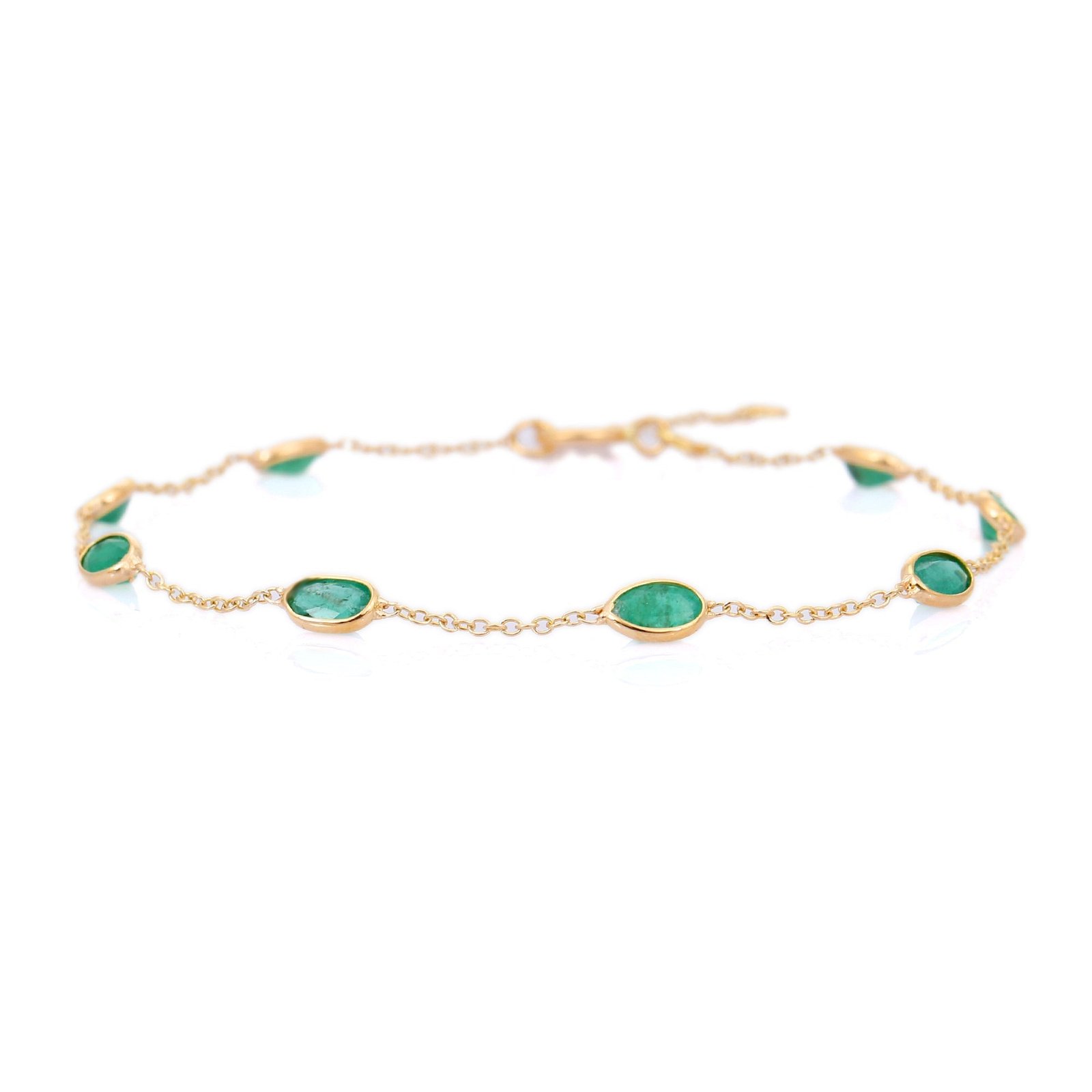
- Green stones (emerald): Yellow gold can mute vivid greens by adding warm bias. White metals usually preserve vividness and contrast.
Maintenance, allergies and long-term considerations
White gold needs maintenance: rhodium replating over time. Replating restores the bright white look but costs money and slightly reduces prong geometry after several services. If you have a nickel allergy, choose palladium-alloyed white gold or platinum. For heavy daily wear, 9ct yellow gold delivers good durability at lower cost; platinum is more durable but heavier and pricier.
How to test in-store and at home — a practical checklist
- Ask the shop the LED specs: approximate colour temperature (K) and CRI. Prefer CRI >90 for accurate judging.
- View the gem under at least two lights: the shop LEDs and your home lights (typical UK home bulbs, often 2700–3000K). Also look in daylight (6500K) if possible.
- Compare the same stone set in yellow and white claws, or hold a small metal swatch next to the stone to see reflected colour.
- For diamonds, match claw colour to the diamond grade and your taste: use the quick rules above (D–F = white; I–K = yellow; G–H = either).
- If choosing white gold, ask about rhodium thickness and expected re-plating interval; if allergic, confirm alloy contents (nickel or palladium).
In short: claw colour matters because it alters the light that reaches your eye. Under UK LEDs, the combination of lamp temperature, CRI and the metal’s reflectivity determines whether a stone looks cooler, warmer, brighter or larger. Test stones in the lighting you’ll wear them in, and choose the claw and alloy that give the face-up look you want — not just the one that matches fashion photos.