Blog
Will a Polishing Cloth Change the Look? A 7-Day Clean Cycle

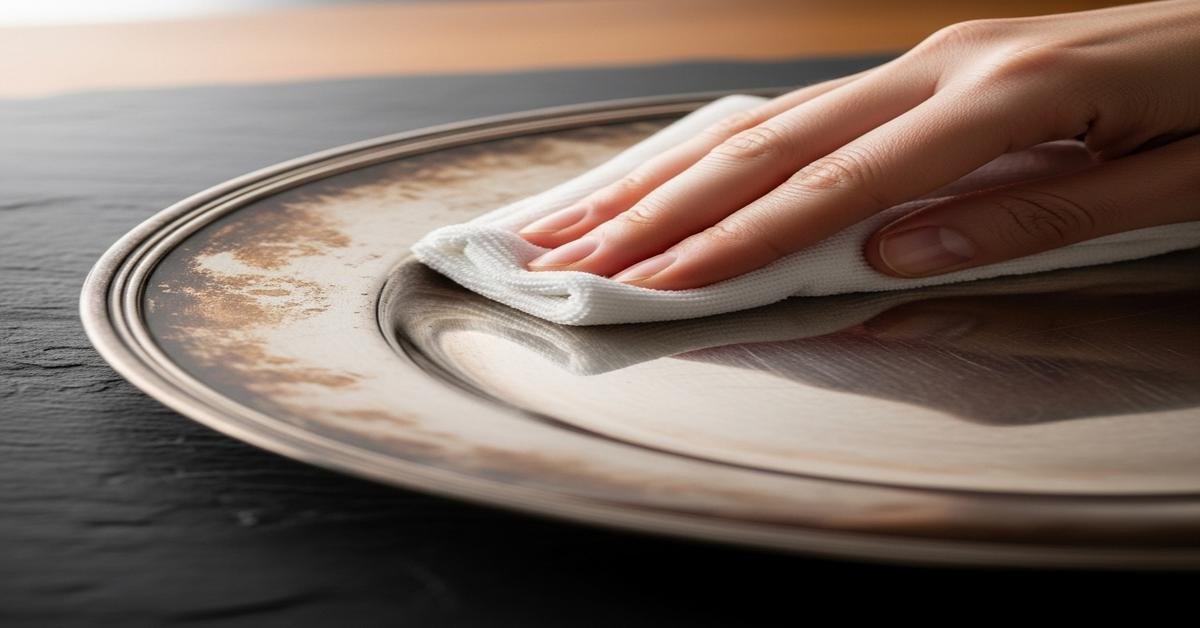
Polishing cloths are a common tool in jewelry care. They are simple: a soft fabric, sometimes treated with a mild abrasive or anti-tarnish compound. The question is practical — will a polishing cloth actually change the look of your jewelry over a short cycle of daily use? This article walks through a practical 7-day cleaning routine and explains exactly what changes to expect, why those changes happen, and when a cloth can do more harm than good.
How a polishing cloth works — the basic science
A polishing cloth cleans in two ways: mechanical and chemical. Mechanically, the soft fibers lift oils and light dirt and can buff away microscopic oxidized metal. Chemically, many cloths are impregnated with tiny amounts of polishing compound (mild abrasives like jeweler’s rouge or tripoli) or anti-tarnish agents that react with silver sulfide to restore shine. Together they remove surface films that scatter light, so the metal looks brighter.
Why this matters: shine comes from light reflecting off a smooth surface. Remove the dulling film and you get immediate visual improvement. But a cloth cannot remove deep scratches or change color that comes from the metal alloy itself.
Seven-day clean cycle — realistic steps and what each day changes
- Day 1 — Inspect and quick buff: Look for loose stones, worn prongs, or heavy dirt. Lightly buff with a dry cloth to remove fingerprints and surface oils. Expected change: immediate increase in gloss; no metal removal.
- Day 2 — Targeted cloth for metal type: Use an impregnated cloth for silver or brass; use a plain soft cloth for gold/platinum. Expected change: silver will lose light tarnish and regain mirror-like shine. Gold (14k/18k) and platinum (Pt950) will look cleaner but won’t change color.
- Day 3 — Gemstone check: Gently wipe around stones. Avoid force near prongs. Expected change: diamonds and sapphires (hardness 9–10) will regain sparkle as oil between facets is removed. Soft stones like opal or pearl can be dulled by treated cloths; they need a damp cloth instead.
- Day 4 — Clean chain links and settings: Work into crevices with a folded cloth, not with pressure. Expected change: removal of grime in small crevices that causes dullness. You may notice small areas brighten while heavy buildup remains.
- Day 5 — Check plated surfaces: For white gold with rhodium plating, use a plain cloth lightly. Expected change: surface polish restores gloss; repeated abrasive cloth use can thin rhodium, gradually revealing warmer yellow gold underlayer.
- Day 6 — Finishing buff: Use the soft side of the cloth for final polish. Expected change: uniform sheen across the piece; micro-scratches may look less visible as oils are removed and light reflection evens out.
- Day 7 — Evaluate and maintain: Compare to Day 1. Expected change: significant visual improvement for tarnished silver and dirty stones. For heavily scratched or plated pieces, notable issues (plating loss, deep scratches) remain; a cloth cannot fully fix them.
What will and won’t change — specific metals and gems
Silver (sterling .925): Polishing cloths are very effective. Silver tarnish is a surface compound; cloths remove it and restore bright finish quickly. Expect visible change within minutes on Day 1.
Gold (14k = 58.3% Au, 18k = 75% Au): Cloths remove oils and light surface marks. 18k is softer, so it may show wear sooner. A cloth will not change the alloy color nor fix deep scratches. Over-aggressive buffing can slightly smooth stamped hallmarks or crisp edges.
Rhodium-plated white gold: Rhodium layers are thin — typically a few tenths to a few microns. Gentle clothing restores gloss, but abrasive compounds can wear the plating. Recurrent heavy polishing over weeks will reduce thickness and reveal yellowish gold underneath, changing the apparent color.
Platinum (Pt950): Platinum is durable and responds well to cloths. Polishing does not remove metal quickly; it restores the typical satin or high-polish look. However, platinum develops a patina from wear that some owners prefer.
Diamonds and hard gems (diamond 1 ct, sapphire): These benefit from cloth cleaning because oils and dust reduce brilliance. Cloths won’t scratch them if the cloth is clean of grit. Expect sparkle to return quickly.
Soft gems — pearls, opals, emeralds (fracture-filled), amber): These are vulnerable. Treated polishing cloths can abrade surface layers or remove protective coatings. Use only a damp, soft lint-free cloth and avoid impregnated compounds.
Risks — when a cloth can change your jewelry for the worse
- Removing plating: Repeated use of an abrasive-impregnated cloth can thin rhodium or vermeil plating over time. You may not see the change in a single week, but daily aggressive rubbing will accelerate loss.
- Scratching and grit transfer: A cloth that has picked up sand or grit will scratch metals and stones. Always keep separate cloths for dirty work and for final polish.
- Damaging soft surfaces: Treated cloths can dull pearls and porous stones. They can also reduce factory-applied finishes like brushed textures.
- Loosening settings: Vigorous pulling and twisting with a cloth can force prongs and claws, especially on older jewelry. Never tug on gems.
Practical tips — how to use a cloth safely
- Use separate cloths for silver and gold to avoid cross-contamination of compounds.
- Fold the cloth to create a clean panel and use light pressure. Excessive force accelerates material removal.
- Avoid treated cloths on pearls, opals, amber, and fracture-filled emeralds. Use a damp cotton cloth instead.
- Clean the cloth itself regularly per the manufacturer’s directions. Dirty cloths carry abrasive particles.
- If a piece is rhodium-plated, test on a backside edge. If color change appears after a few rubs, stop and consult a jeweler.
When to see a professional
Use a polishing cloth for routine upkeep and light tarnish. For deep scratches, metal loss, loose stones, or plating concerns, a professional polish and inspection is safer. Jewelers use controlled polishing wheels and measure plating thickness; they can replate rhodium or weld and re-finish without changing the design. If you wear a high-value item often — for example, an 18k white-gold 1 ct diamond solitaire — schedule a professional once a year to protect metal and settings.
In short, a polishing cloth will change the look of jewelry in a week by removing surface films, light tarnish, and oils. It restores shine quickly. But it won’t fix deep damage, and used improperly it can wear plating or harm soft gems. Use the right cloth for the right metal, use light pressure, and consult a pro for anything beyond surface cleaning.