Blog
Palladium White Gold: Worth It—or Overkill for Daily Wear?

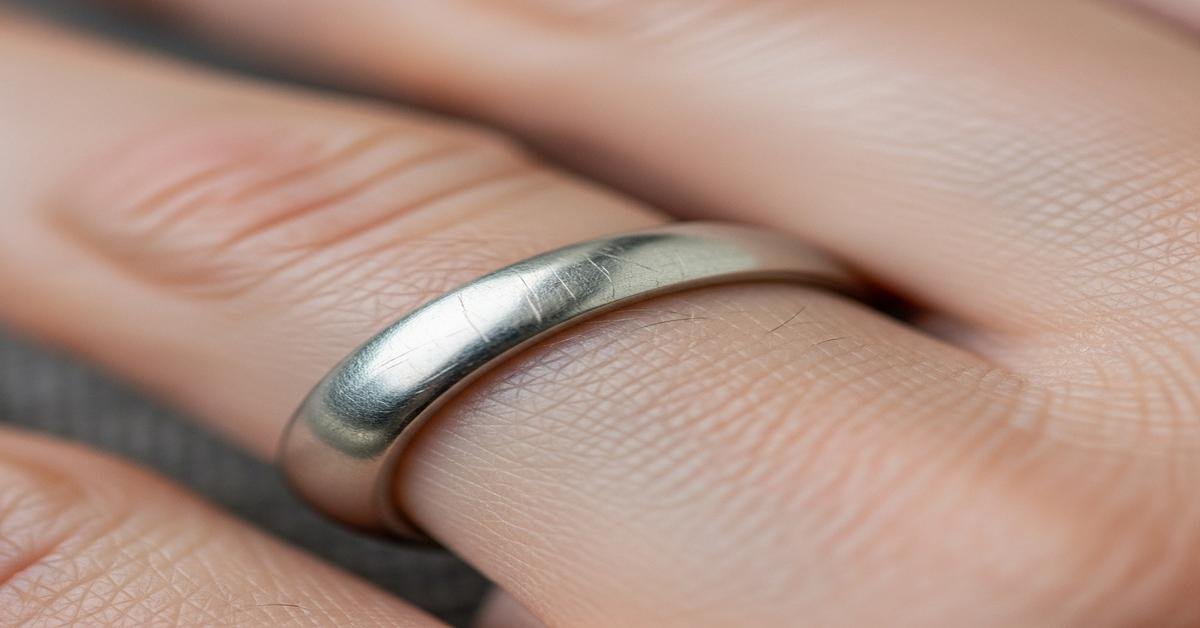
Palladium white gold is one of the quieter shifts in fine jewelry alloying over the last decade. Instead of using nickel to “whiten” gold, some manufacturers use palladium (a white precious metal) in the alloy. That small change affects color, weight, hypoallergenic properties, cost, and how the piece is worked and maintained. Below I explain what those differences mean for everyday wear—so you can decide if palladium white gold is a practical pick or overkill for your daily ring or band.
What is palladium white gold?
Palladium white gold is a gold alloy where palladium replaces some or all of the usual whitening agents (nickel, silver, copper). Standard karats remain the same:
- 18K palladium white gold typically contains about 75% gold and ~25% palladium (by weight).
- 14K palladium white gold is roughly 58.3% gold and ~41.7% palladium, sometimes with small silver or copper additions for workability.
Compare that to common nickel white-gold alloys where nickel may be 5–20% of the remaining metal. Palladium is a true precious metal; it’s more expensive than nickel and much lighter than gold (density: gold ~19.3 g/cm³, palladium ~12.0 g/cm³), which affects weight and feel.
Color and finishing: rhodium plating and natural white tone
Palladium produces a naturally whiter alloy than many nickel-free mixes that rely on silver. In practice:
- 18K palladium white gold
- 14K palladium white gold
- Nickel white gold usually requires rhodium plating to mask the slightly gray or yellow undertone.
Rhodium plating changes how the metal looks and wears. Plating is cosmetic and will wear off at contact points (prongs, shank). With palladium alloys you may replate less often, but expect touch-ups every 1–2 years with daily wear if you want a mirror-white finish.
Durability for daily wear
Durability depends on karat and alloy mix more than the presence of palladium alone.
- 14K vs 18K: 14K palladium white gold is harder and more scratch-resistant than 18K. For engagement rings and wedding bands worn every day, 14K offers better long-term resistance to deformation.
- Compared to nickel white gold: Palladium alloys are generally similar in strength to nickel white gold of the same karat. Nickel may give slightly higher hardness in some formulas, but the difference is small and rarely decisive for normal use.
- Weight: Because palladium is less dense than gold, a palladium-white-gold ring will feel lighter than the same design in a nickel-heavy alloy or in yellow gold. If you prefer a substantial feel, this matters.
Bottom line: palladium white gold is suitable for daily wear, especially in 14K. If you want maximum resistance to scratches and dents, platinum remains the toughest popular choice, but it’s much heavier and pricier.
Resizing, repairs and jeweler expertise
Palladium changes how jewelers work with the metal. Palladium raises the alloy’s melting behavior and can be more challenging to solder and cast than common nickel alloys. Practical consequences:
- Expect slightly higher repair and resizing costs. Jewelers need compatible solders and techniques.
- Not every small-store bench jeweler has experience with high-palladium alloys—ask about their experience before purchase.
- Palladium-rich alloys can be less ductile when heavily worked; repeated resizing can be more involved than with standard white-gold alloys.
Allergies and skin safety
Nickel is the top cause of metal allergy from jewelry. Palladium white gold is a good choice if you or your partner has nickel sensitivity because palladium is much less likely to cause contact dermatitis. A few points:
- Palladium allergies exist but are rare. If you’ve had reactions to earrings or watches, choose nickel-free alloys and request a stamp or certificate.
- Look for stamps: 750 for 18K and 585 for 14K. Some pieces are stamped with Pd or “PdWG” to indicate palladium-white alloying.
Cost and resale considerations
Palladium is pricier than nickel and can fluctuate in price—sometimes sharply. That means:
- Palladium white gold pieces typically cost more than nickel white gold in the same karat. The markup varies by maker and design complexity—expect at least a modest premium.
- Resale value tracks metals and design; the palladium alloy itself doesn’t add large resale value like pure platinum might. The main value remains the gold and gemstones.
Practical care for daily wear
Follow these simple steps to keep a palladium white-gold item looking its best:
- Clean weekly with warm water, mild dish soap, and a soft toothbrush. Rinse and dry thoroughly.
- Avoid chlorine and bleach—these chemicals can weaken many gold alloys and discolour plating.
- Get prongs and settings inspected every 6–12 months if you wear a ring daily.
- Rhodium replate when the color or high-gloss finish fades—typically every 12–24 months depending on wear.
When palladium white gold is worth it
Choose palladium white gold if any of these apply:
- You need a nickel-free, allergy-friendly white alloy.
- You want a naturally whiter look with less frequent rhodium plating, especially in 18K alloys.
- You prefer a lighter-feeling ring but want the look of white gold rather than platinum.
Consider other options if:
- You want the heaviest, most durable option and don’t mind higher cost—then consider platinum.
- You want the lowest possible price and don’t have nickel sensitivity—standard nickel white gold is cheaper and widely available.
- You plan frequent resizing or expect complex hands-on repairs—ask the jeweler about their experience with palladium alloys first.
In short: palladium white gold is not overkill for daily wear. It’s a practical, hypoallergenic alternative to nickel white gold and a lighter-weight option versus platinum. The trade-offs are modestly higher price and the need for a jeweler experienced with palladium alloys. If you value natural whiteness, skin-friendly metals, and a lighter feel, it’s worth considering—especially in 14K for durability or 18K when you want the whitest possible tone with less plating.