Blog
Nickel in White Gold: Are UK Alloys Kinder to Skin Now?

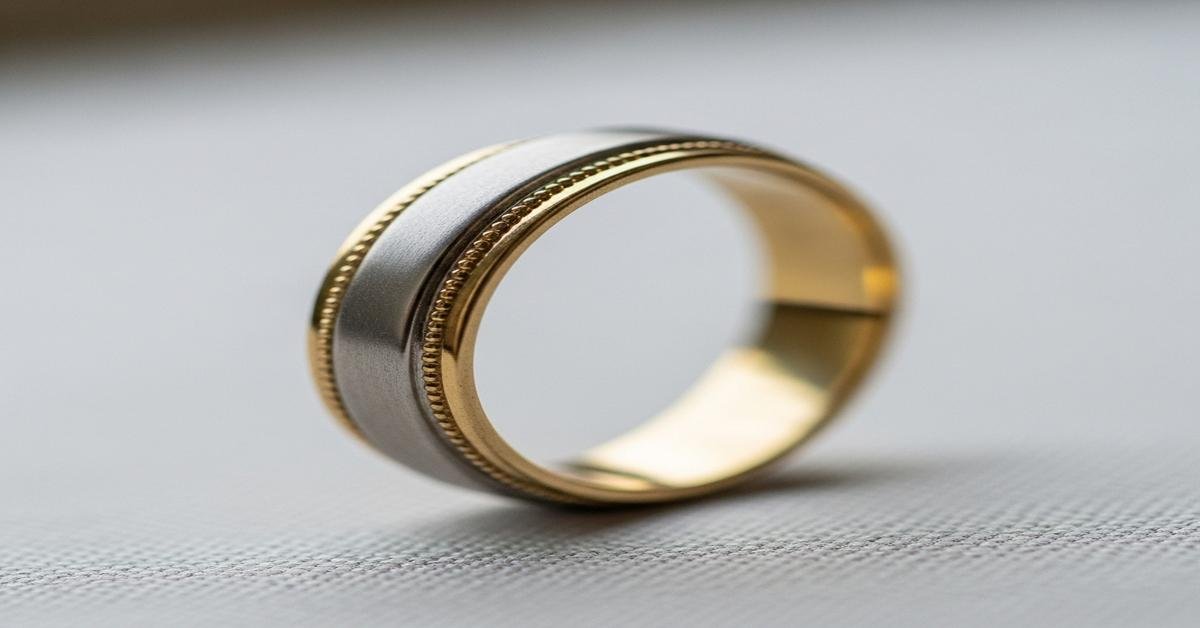
Nickel has a long history in white gold. It makes the alloy whiter and harder, and it’s cheap. But nickel also causes contact allergy for a significant portion of the population. In the UK, rules and market trends have changed how manufacturers use nickel. This article looks at the science, the law, and practical choices so you can buy white gold without surprises.
Why nickel is in white gold—and why it matters
Gold is naturally yellow. To make it white and suitable for rings and settings, makers mix it with other metals. The proportion depends on the carat: 18ct (750) is 75% gold + 25% other metals; 14ct (585) is 58.5% gold + 41.5% alloy; 9ct (375) is 37.5% gold + 62.5% alloy. Nickel is a common alloying metal because it is effective at whitening and hardening, and it is inexpensive.
But for people who are sensitised to nickel, even small amounts that are released from the surface can trigger a Type IV delayed hypersensitivity reaction. That shows up as red, itchy, scaly patches where the metal contacts skin. Allergic reactions depend on both the nickel content and the amount of nickel released from the surface over time.
Regulation and testing in the UK: safer limits, but not nickel-free by default
Since the early 2000s the EU set strict limits on how much nickel can be released from objects that stay in prolonged skin contact. The UK implemented similar limits and has largely retained them after Brexit. The usual legal thresholds to know are:
- 0.5 µg/cm²/week maximum nickel release for items in prolonged contact with the skin (e.g., watch backs, necklaces).
- 0.2 µg/cm²/week maximum for items that pierce the skin (e.g., earrings, body jewellery).
These limits are measured using standard test methods such as EN 1811 (the dimethylglyoxime-based nickel release test). Compliant products should pass these tests. That does not mean nickel is absent; it means the surface does not release nickel above the legal threshold under the test conditions.
Have UK alloys become kinder to skin?
In practical terms: yes and no.
Yes—because:
- Manufacturers increasingly use palladium-based white gold for higher carat pieces. Palladium gives a white colour without nickel, so allergy risk drops. Typical 18ct palladium white gold might be ~75% Au + 10–15% Pd + silver/copper/balance, rather than significant nickel.
- Rhodium plating is standard. A layer of rhodium (often 0.5–2 μm thick) covers the alloy and stops direct skin contact with nickel for a time.
- Regulation and consumer demand push sellers to either meet nickel-release limits or label items as suitable for sensitive skin.
No—because:
- Many budget pieces—especially 9ct and some 14ct white gold—still use nickel-rich alloys to cut cost and increase hardness. Those pieces can contain a higher percentage of nickel in the alloy (the exact mix varies by maker).
- Rhodium plating wears off. Everyday wear exposes high-contact areas (prongs, inner band, edges). When that happens, nickel-containing alloys can release nickel to the skin.
- The term “nickel-free” is not tightly regulated in marketing. A seller may use it loosely, so always ask for testing or a composition statement if you are allergic.
How plating affects allergy risk—and how long it lasts
Rhodium plating is common. Rhodium is part of the platinum family and does not contain nickel. Plating prevents direct contact and reduces nickel release while it lasts. But plating is thin. Typical rhodium thickness for jewellery ranges from about 0.5 to 2 micrometres. Scratches, friction and cleaning gradually remove it.
Why this matters: plating can protect you for months or years depending on wear and the thickness applied. But once it wears through at points of contact, the underlying nickel alloy can cause reactions. That’s why re-plating is routine maintenance for many white gold rings.
Practical buying advice for sensitive skin
- Ask the retailer for alloy composition. If they tell you a piece is “nickel white gold,” that means the alloy contains nickel. Ask if higher-carat palladium white gold is available.
- Prefer palladium white gold or platinum if you have a known nickel allergy. Palladium and platinum alloys eliminate nickel as the cause. Platinum is heavier and more expensive but chemically very inert.
- For budget options, consider titanium or medical-grade stainless steel (Ti and ASTM F138 titanium are nickel-free; many surgical steels contain nickel but release little). If you’re highly sensitive, choose titanium or platinum.
- Check for testing or certification. Ask whether the piece has been tested to EN 1811 or similar standards and whether it passes the 0.5/0.2 µg/cm²/week limits.
- Plan for re-plating. If you choose rhodium-plated white gold, budget for occasional re-plating—typically every 1–3 years depending on wear.
- Patch testing. If you suspect nickel allergy, get a dermatologist patch test before buying an expensive piece. That identifies sensitisation precisely.
Summary: safer, but check before you buy
The UK market is safer than it once was because of regulation and a shift toward palladium and rhodium finishing. For many buyers, that means fewer allergic reactions. But nickel is still used in many white gold alloys, particularly in lower carat (9ct, some 14ct) pieces and low-cost goods. Rhodium plating reduces immediate risk, but wear eventually exposes the base alloy.
If you have a confirmed nickel allergy, choose palladium white gold, platinum, titanium or certified nickel-free pieces. If you do not have an allergy but are concerned, ask for composition details, check whether the item meets EN 1811 testing limits, and be prepared to re-plate rhodium-finished items as part of normal care.