Blog
Tourmaline Traps: When “Neon” Is Only on Instagram

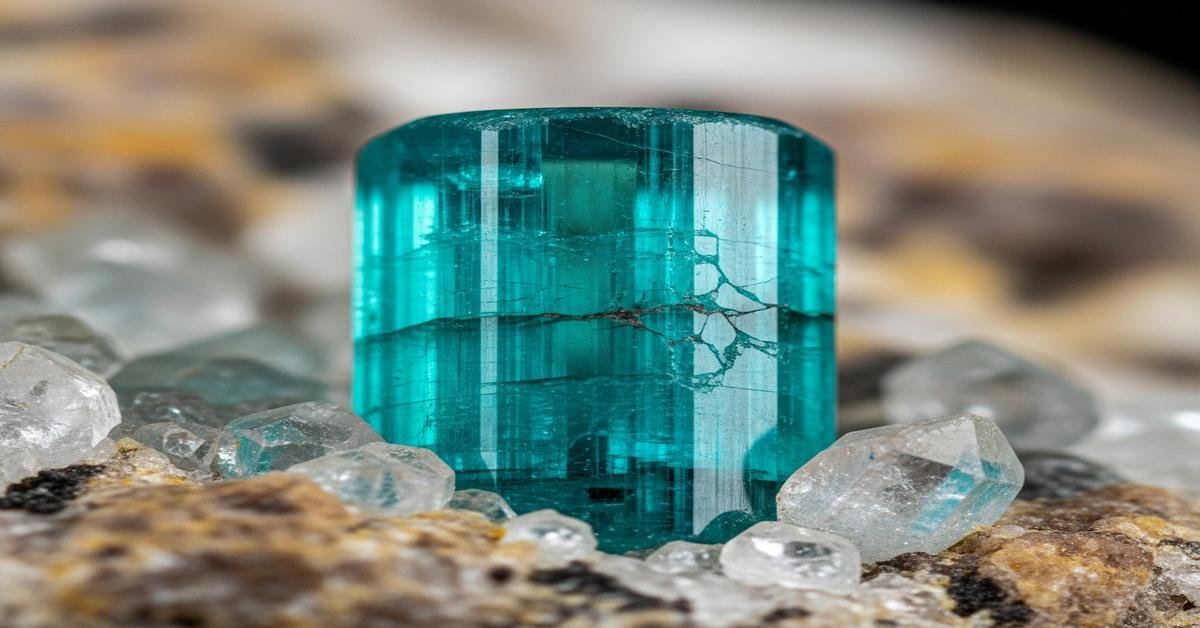
“Neon” tourmaline photos flood Instagram feeds. They look electric—almost unnatural. As a buyer or jeweler, you need to know when that glow is real and when it’s an effect of lighting, editing, or a specific stone-size trick. This article explains why tourmaline can appear neon, which factors create that effect, how sellers (or images) can mislead, and exactly what to ask for before you pay hundreds or thousands of dollars for a supposedly glowing gem.
What people mean by “neon” and why it matters
“Neon” describes extreme color saturation and brightness—an intense, high-chroma green, blue or pink that jumps off the stone. In tourmaline this is most commonly claimed for Cu-bearing Paraíba-type blues/greens or vivid rubellite pinks. Neon matters because buyers pay a premium for it. A one-carat, vivid green Paraíba (roughly 7 x 5 mm oval) can command dramatically higher prices than a similar-toned stone that reads “moderate” or “strong.” You need to know whether that neon characteristic is a genuine optical property of the rough gem, or a temporary effect you’ll only see in curated photos.
Why tourmaline can look neon
Tourmaline’s chemistry and crystal structure cause color in specific ways:
- Chemistry: Copper (Cu) and manganese (Mn) are the usual culprits for electric blues, greens and pinks. Paraíba tourmaline contains measurable Cu and sometimes Mn; that trace chemistry produces the intense colors collectors call “neon.”
- Path length and size: Color saturation increases with the distance light travels through the stone. A 10 x 8 mm 4.5 ct stone will often look deeper and less “neon” than a 6 x 4 mm 1.0 ct of the same material because light absorbs more in larger path lengths.
- Pleochroism: Tourmaline is typically dichroic—different colors (or tones) show from different angles. A thin slice or a face-up view can look bright, while the pavilion view or crown tilt may show a different, duller hue.
- Cut and clarity: A well-cut shallow stone can appear brighter and more saturated face-up. High clarity (few inclusions) allows more light return, raising perceived intensity.
Why photos and Instagram lie
There are three basic reasons a tourmaline appears neon online when it won’t in real life:
- Lighting: Photographers use high-CRI daylight-balanced LEDs or direct flash to emphasize color. These light sources can exaggerate saturation compared with indoor incandescent or mixed lighting.
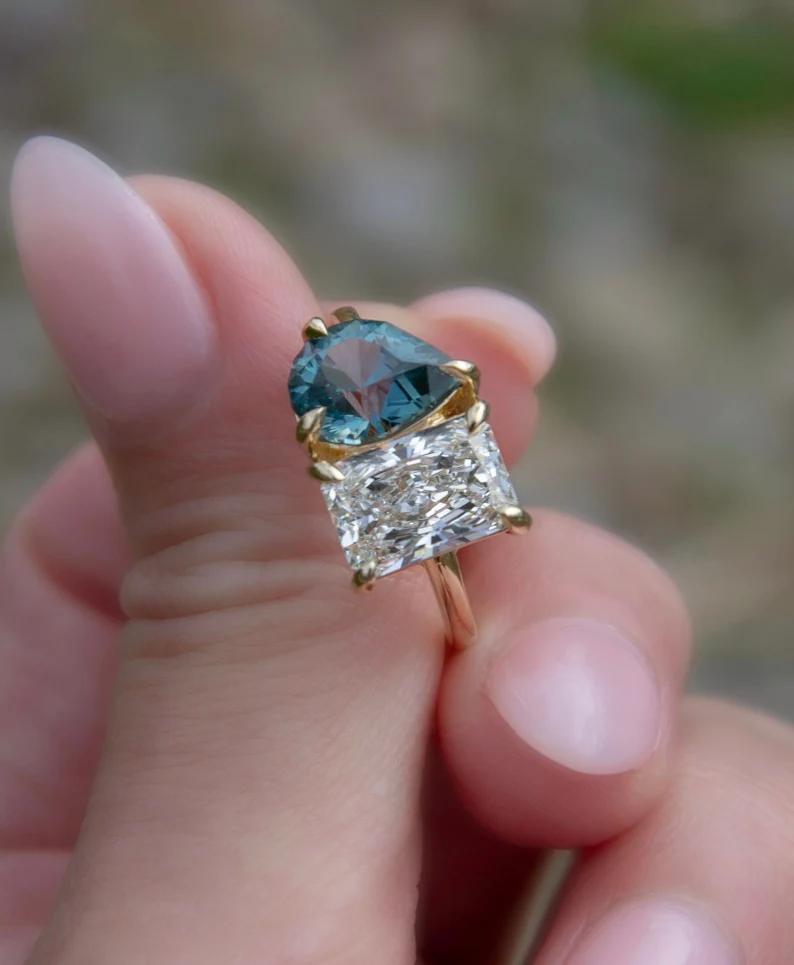
- Camera & processing: Phone cameras boost saturation and contrast. Post-processing—vibrance sliders, filters, clarity—can make colors pop. A small 1.0 ct stone that looks neon in a studio photo may look noticeably softer on your finger.
- Context and reference: Without a neutral reference (grey card, white balance), the viewer cannot judge true color. Sellers often show only the best face-up image.
Treatments, origin, and certification—what to check
Ask direct questions. Tourmaline treatments and origin affect both color stability and value.
- Treatments: Tourmaline is not commonly heated like sapphires, but irradiation and dyeing do occur. Dyes can produce false “neon.” Always ask for a statement that the stone is untreated. If the seller claims treatment, request written details and a certificate.
- Origin: Brazilian Paraíba (late 1980s mines) is the benchmark for neon-blue/green due to a specific Cu-Mn signature. Nigerian and Mozambican Cu-bearing tourmalines also show neon-like color but have different chemical fingerprints. A reputable lab report (GIA, SSEF, AGL) that lists origin and chemical data is valuable.
- Certificates: Request a full lab report for high-value pieces—especially anything labeled “Paraíba” or “neon.” Reports should include carat weight (e.g., 1.23 ct), measurements (e.g., 7.2 x 5.1 x 3.7 mm), specific gravity or spectroscopy data, and a note about treatments.
Practical buying checklist for online purchases
Before you click “buy,” use this checklist to avoid disappointment:
- Request high-resolution, unedited photos and a short video with the stone on a neutral grey card and next to a coin for scale.
- Ask the seller to confirm lighting used (daylight 5000–6500K preferred). If they can’t tell you, that’s a red flag.
- Get exact specs: carat weight, mm measurements, cut style, and clarity comments. Example: “1.02 ct, 6.8 x 5.0 mm oval, eye-clean.”
- Demand a written statement about treatments and origin. For stones sold as Paraíba, insist on a lab report from a recognized institute.
- Check return policy. If the stone’s face-up color materially differs when you receive it, you should be able to return within a reasonable window (7–14 days minimum).
How settings and metals change the look
Metal and mount style alter perceived color. That’s why photos of loose stones and finished jewelry often differ:
- Open-back settings allow light to pass through, often maximizing brightness. Use this for small, saturated stones.
- Metal warmth: Rose gold (commonly 18k = 75% Au + ~25% Cu) warms pinks and can make a pink rubellite feel deeper. White metals (14k white gold plated with rhodium or platinum) maintain cool blues.
- Surroundings: A halo of diamonds (small melee) increases contrast and can make the center stone look more vivid.
Final rule of thumb
Skepticism + data = safe buying. Ask for measurements, an unbiased light reference, treatment disclosure, and a lab report for expensive stones. Remember, a stone that looks neon in a 1.0 ct studio photo may be less dramatic in daily wear under mixed lighting and against skin tones. If the neon is the main reason for the purchase, verify it in writing and insist on a return window.
Tourmaline can truly be incandescent in color. But many “neon” claims belong on Instagram. Being specific in your questions and looking for objective proof keeps you from paying top dollar for a filtered image.