Blog
Why White Gold Yellows—and the 20-Minute Fix UK Workshops Use

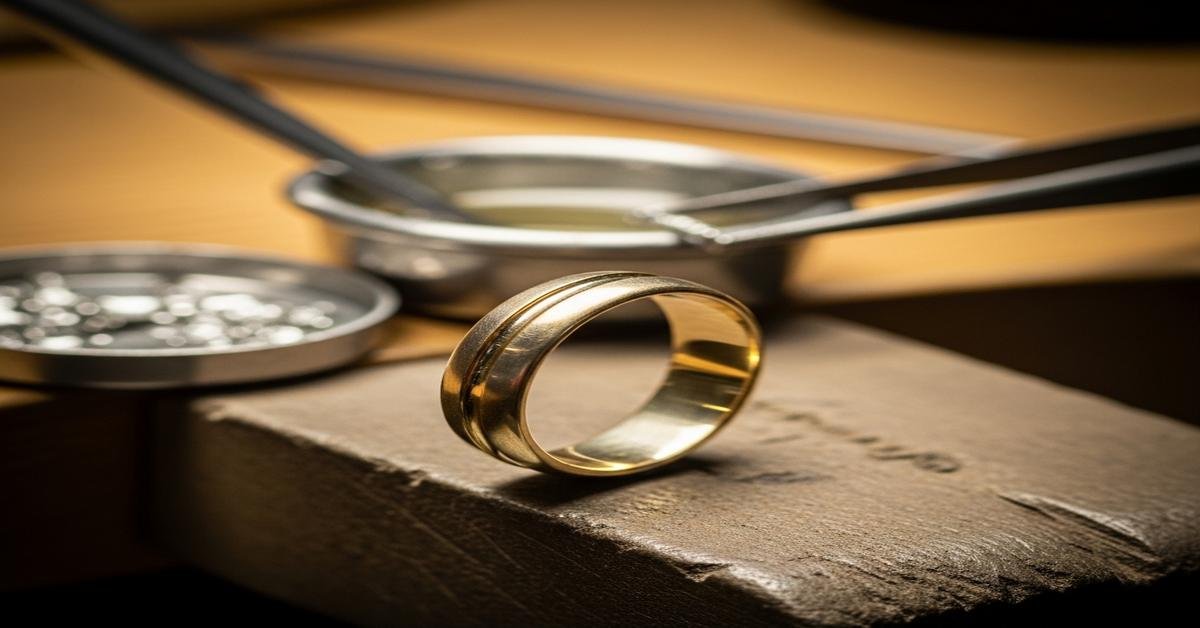
People buy white gold because it looks like platinum but costs less. Yet within a year or two that bright, silvery look can take on a warm, yellow cast. That’s normal. White gold is not naturally white — it’s a gold alloy that is usually finished with a thin layer of rhodium. When that thin layer wears away, the underlying metal shows through. UK high-street workshops often fix this in about 20 minutes. Here’s exactly why white gold yellows, what those 20-minute repairs do, and when a quick replate isn’t enough.
What “white gold” actually is
White gold is real gold mixed with other metals to reduce its yellow tone and increase hardness. The common marks you’ll see tell you the gold content: 18ct (75% gold, 25% other metals) and 14ct (58.3% gold, 41.7% other metals). The non-gold portion is usually a mix of silver, zinc, copper, palladium or nickel.
The exact mix matters. Alloys with palladium or a high silver content start paler and stay whiter under the surface. Alloys with nickel can be very bright initially but often show a warmer, slightly yellow tone as rhodium wears away. So two 18ct white gold rings can look quite different depending on the alloy.
Why white gold turns yellow
There are three basic reasons white gold appears yellow:
- The gold itself: Even in 18ct gold, 75% of the metal is yellow gold. Alloying reduces the yellow hue but cannot eliminate it.
- Rhodium plating wears off: Most white gold jewellery is finished with a thin electroplated layer of rhodium. Rhodium is a very white, reflective metal. When that plate thins or flattens, the yellowish alloy underneath becomes visible.
- Surface chemistry and contaminants: Everyday exposure to soaps, chlorine, perfumes, cosmetics and body oils changes how light reflects from the surface and can speed the perceived yellowing. Silver in the alloy can tarnish; that contributes to an off-colour too.
Example: a 14ct white gold engagement ring worn daily and washed repeatedly will lose its rhodium coating faster than a 18ct pendant worn occasionally. The ring’s high-contact zones — the profile and shoulder — will show yellow first.
What the 20-minute fix actually is
The quick service at many UK workshops is a controlled rhodium replate and light surface prep. It normally follows these steps:
- Inspect: Check for damage, loose stones, and how much old rhodium needs removal.
- Clean: Ultrasonic or steam clean to remove oils and dirt. This step is essential so the rhodium bonds evenly.
- Light polish or micro-abrasion: Remove very shallow scratches and the remainder of the old plating. This evens the surface so the new plate looks uniform.
- Electroplating: Immerse in a rhodium bath and apply current. For a quick service workshops use a bath and current density that deposits a thin, even layer. The electroplate step itself often takes only a few minutes.
- Rinse and dry: Final cleanup and hand-polish to restore lustre.
Why 20 minutes works: The visible whiteness depends mostly on the top 0.1–1.0 micrometres of metal. A thin rhodium layer restores the reflective surface quickly. For light wear and surface yellowing, a short clean and a thin replate make the jewellery look like new without removing much metal.
How thick is rhodium plating and how long will it last?
Rhodium plating for jewellery commonly ranges from about 0.02 µm (flash) to 0.5–2 µm. Quick workshop services often apply a thinner layer—enough to restore colour and shine but not a heavy, long-lasting coat. Practical life expectancy:
- Thin/flash layers (0.02–0.1 µm): last a few weeks to a few months on high-wear items like rings.
- Moderate layers (0.2–0.5 µm): typically last 6–18 months on rings; longer on earrings or pendants.
- Thicker layers (1–2 µm): can last multiple years but take longer and cost more to apply.
Durability depends on wear, contact with abrasive surfaces, skin chemistry and cleaning. Daily-contact rings will always need replating more often than necklaces.
When a quick replate is not enough
Rhodium is a surface coating. It cannot fix structural wear or restore a piece that’s been reshaped:
- If the ring shank has been worn thin, the alloy needs rebuilding and re-profiling before plating.
- If the jewellery was resized or soldered and the area is untreated, the new metal will show through until properly prepped and plated.
- If stones are loose, they should be secured first — re-plating can mask problems temporarily but won’t stop a stone from falling out.
- Allergic reactions to nickel require either a thicker rhodium barrier or moving to a different alloy (palladium white gold or platinum).
For these issues you need a longer workshop visit: rebuilding metal, proper polishing, and a heavier rhodium plate. That takes longer and uses more material than a 20-minute service.
Practical care and choices to reduce yellowing
- At purchase: Ask about the alloy. Palladium white gold stays paler under the surface than nickel white gold. Consider platinum if you want a permanent white metal (it doesn’t need plating).
- Daily care: Remove rings for heavy washing, gardening or chlorine pools. Avoid harsh household chemicals.
- Maintenance: Expect to replate rings every 6–18 months. Low-wear items can wait longer.
- Replating choice: For a long-term fix, request a thicker rhodium plate and proper surface prep. For a quick cosmetic refresh, a 20-minute replate is fine.
In short: white gold looks white because of a surface rhodium layer. That layer can be replaced quickly and inexpensively at most UK workshops. But the best long-term option is choosing the right alloy or metal for the piece and planning periodic maintenance based on how you wear it.