Blog
Platinum Prongs: Softer, Stronger, or Just Different? UK Retipping Truths

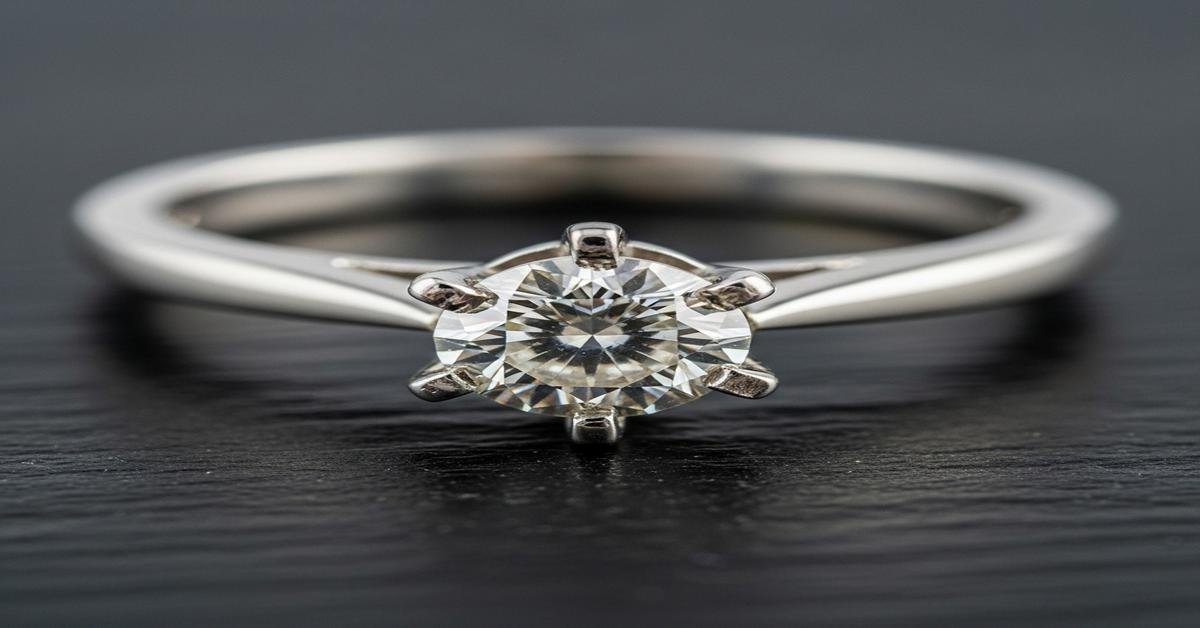
Platinum prongs: many people assume they’re either weaker or tougher than gold prongs. The truth is more nuanced. Platinum behaves differently under wear. That difference affects when and how prongs should be retipped. This article explains the metal science in plain terms, shows practical signs of wear, and describes the retipping options you’ll encounter in the UK.
How platinum behaves compared with gold
Two alloys dominate UK jewellery: **platinum 950** (about 95% platinum, with small additions of iridium or ruthenium) and **gold 18ct** (75% gold plus copper, silver or palladium). These alloys have different mechanical properties:
- Scratch vs. flow: Platinum is more ductile. When it takes a knock it tends to *flow* and deform rather than chip away. Gold tends to scratch and lose small particles more readily. That makes platinum *look* softer because the marks remain visible rather than being removed as tiny fragments.
- Work-hardening: Platinum work-hardens with repeated bending. That can make thinned prong necks harder and more brittle over time until a crack forms. Gold also work-hardens but usually behaves differently because of its alloy mix.
- Tensile and collar strength: For the same section size, platinum can hold up well under compression and pressure. But because platinum prongs are often made slimmer for aesthetic reasons, they can reach a fatigue point sooner.
Why platinum prongs look “soft” but can be stronger
Small surface scratches and a matt “patina” are typical for platinum. Those marks are not always loss of metal. Instead the metal displaces and forms grooves. That is why a platinum ring with many scratches may still keep a stone secure — until the prong neck thins from abrasion or repeated bending.
So platinum is not simply “softer” or “stronger.” It’s **different**: more likely to deform visibly and less likely to shed tiny particles. That means visual checks are less reliable for assessing security; a microscope or calipers give better information.
When prongs need retipping — signs and measurements
Look for these signs rather than trusting appearance alone:
- Visible thinning at the prong neck: the narrow part close to the head where the prong meets the shank. If that neck looks reduced compared with the rest of the prong, it’s a red flag.
- Stone movement: wiggle or twist the stone gently with a gloved finger. Any movement beyond very slight play means attention is required.
- Sharp edges or burrs: these indicate metal fatigue from abrasion.
- Cracks under magnification: hairline fractures are often only visible under 10x–20x magnification.
Typical practical thresholds:
- For everyday wear with a 1 ct round diamond set in four prongs, aim for a prong tip thickness of at least **0.8–1.0 mm**. Thinner than that and the prong is vulnerable to bending or breaking.
- For stones larger than 2 ct, manufacturers commonly increase prong mass; consider retipping sooner — every 6–12 months depending on wear.
How retipping is done in practice (methods used in the UK)
There are three common approaches. A reputable UK bench will choose based on the job, the stone’s heat sensitivity and the original metal.
- Traditional soldering/brazing: a small piece of matching platinum solder is added and melted with a controlled flame. This requires skill to protect the stone and obtain a smooth join. It’s used when access is good and the stone tolerates heat.
- Microwelding or laser welding: a focused energy source adds filler metal with very localised heat. This is preferable for heat-sensitive stones (emerald, opal) or when the setting must be kept precisely shaped. Laser retips produce less remodelling and less chance of stone damage.
- Replacing the whole head: for severely damaged prongs or antique settings, a new head (often platinum) can be fitted. This is more expensive but restores full integrity and can preserve hallmarks and design.
After adding metal the jeweller shapes, files and polishes the prong to match the others. A final check under magnification confirms there are no hairline cracks and the stone is secure.
UK specifics: hallmarking and alloy matching
In the UK, platinum jewellery is commonly hallmarked by the Assay Offices (London, Birmingham, Sheffield, Edinburgh). Typical retail platinum is **950** or sometimes **900**. When retipping, most reputable workshops use matching platinum filler to avoid galvanic differences or visible colour changes. A retip rarely affects a piece’s hallmark, but significant replacement of hallmarked sections can raise questions if you later submit the piece for re-assay.
If your ring has a mixed-metal construction (for example a platinum head on a yellow gold shank), the jeweller must take care at the join. You want welding techniques that don’t create weak bimetal joints or discolouration.
Choosing a jeweller and practical advice
Ask these questions before you leave your ring:
- Will you inspect the prongs under magnification and measure the neck thickness? (A good bench will.)
- Which method will you use — laser or flame — and why? (Laser is better for heat-sensitive stones.)
- Do you match the alloy (platinum 950) when retipping? (You should.)
- Can you show before-and-after photos and provide a written receipt? (Useful for insurance.)
Routine checks are inexpensive and preventive. For engagement rings worn daily, check prongs every 6–12 months. Remove rings for heavy manual work, gardening and contact sports. If a prong feels sharp or a stone wiggles, take it in immediately.
Costs, time and aftercare
Typical UK costs vary by method and location. Expect simple laser retips to start around **£25–£60 per prong**, while complex repairs or new heads can be several hundred pounds. Turnaround can be same day if the workshop is local and not busy, or a few days if sent to a specialist.
After repair, avoid harsh chemicals for a week and clean with a soft brush and warm soapy water. Keep receipts and photos for insurance. Regular professional inspections are the cheapest way to avoid a lost stone and a far more costly re-mount.
In short: platinum prongs aren’t categorically softer or stronger than gold. They deform differently and require different inspection criteria. Retipping is a routine, skilled service — choose a bench that uses magnification, matching alloy and appropriate welding methods for the best long-term security.