Blog
Secret Shoulder Diamonds: Chic Detail or Cleaning Headache?

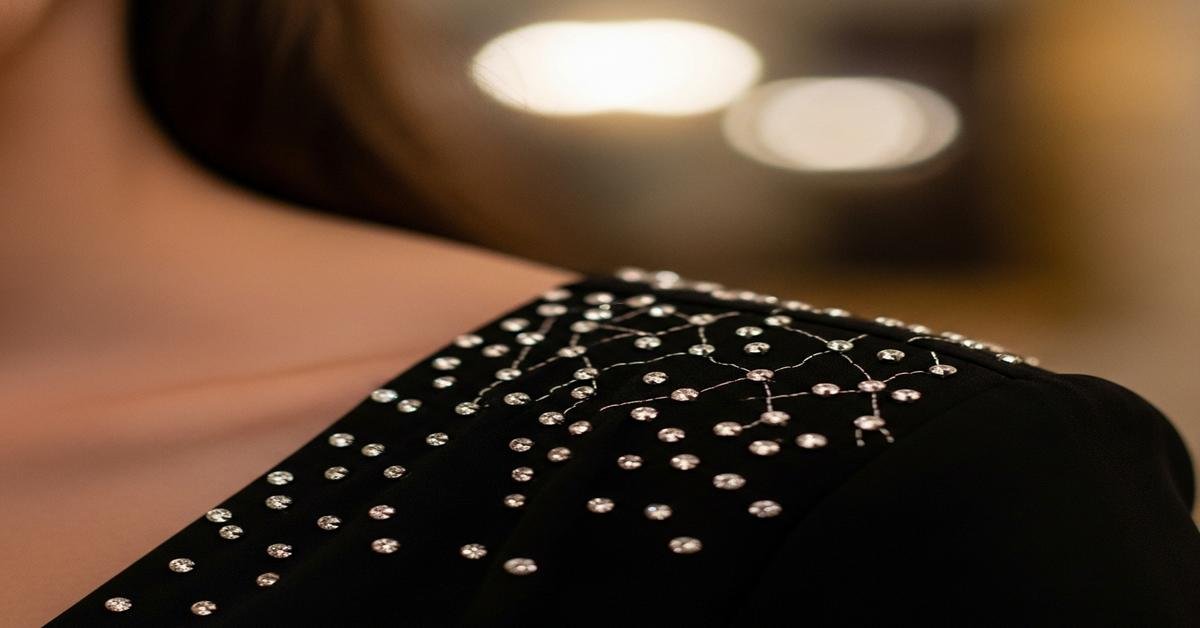
Secret shoulder diamonds are small stones set into the band next to the center stone, often tucked under the head or placed on the inner slope of the shoulder so they’re partly hidden when you look straight down at the ring. They are a deliberate design choice. They add sparkle and a private detail. But because they sit where the band contacts the finger and where soap and oils collect, they change how you clean and maintain the ring. This article goes through the design pros, the cleaning headaches, and how to care for them so you know what you’re buying into.
What exactly are secret shoulder diamonds?
Secret shoulder diamonds are typically melee diamonds — very small stones used as accents. Common sizes run from about 0.005–0.03 ct, which is roughly 1.0–2.8 mm in diameter. They can be placed:
- On the outer shoulder so they’re visible at certain angles.
- Under the head or in the inner slope, where they are mostly hidden from direct view.
- Arrayed along a hidden gallery beneath the center stone.
They are set using bead/pavé settings, flush (gypsy) settings, or tiny prongs. Metal choices matter: 14k white gold (58.3% gold), 18k gold (75% gold), and platinum 950 are common. Each alloy affects wear and maintenance differently.
Design benefits — why makers add them
- Visual depth and surprise: Secret diamonds create sparkle from unexpected angles. That makes the ring feel richer without upping center-carat weight.
- Symbolism: Couples like hidden stones as private details — birthstones, initials suggested by arrangements, or a “secret” sparkle only the wearer knows about.
- Cost-efficient luxury: Adding 0.10–0.25 ct total weight in melee is far cheaper than enlarging the center stone, but it gives a similar perception of detail.
- Balancing a design: On heavy settings, secret diamonds can visually balance the ring without changing the profile dramatically.
Practical drawbacks and cleaning issues
The very features that make secret shoulder diamonds attractive are the same things that make them prone to dirt and wear.
- Trapped grime: The shoulder area often contacts skin, soap, lotions, sweat, and dust. Melee are small and have lots of crevices. Oils and soap scum build up quickly and dull their sparkle. That’s why hidden diamonds can look dead unless cleaned regularly.
- Harder to reach: Tiny prongs and micro-pavé settings are difficult to clean with a regular cloth. You need soft brushes and sometimes professional tools to remove trapped debris.
- Higher maintenance for plated metals: If the ring is white gold plated with rhodium, the plating on the shoulder will wear with time. Once rhodium wears, yellow gold shows through and the hidden diamonds can look mismatched. Expect replating every 1–2 years depending on wear.
- Risk of loosening: Small prongs or beads that hold melee can fatigue. Every time the ring catches or you bump a surface, those tiny prongs can shift. Secret placement makes visual inspection harder, so loose stones can go unnoticed for longer.
- Not worth it for light contribution: If the stones are deeply hidden under the head, they add little to the face-up brilliance of the ring. You’re buying a detail for symbolism and texture, not for making the center stone look bigger.
Cleaning and care — practical steps
Routine care keeps the diamonds sparkling and prevents long-term problems. Here’s a practical cleaning checklist:
- Daily: Wipe the ring with a lint-free microfiber cloth after wear to remove surface oil and lotions.
- Weekly home clean: Soak the ring in a bowl of warm water with a few drops of mild dish soap for 10–15 minutes. Use a soft nylon brush (like a baby toothbrush) to gently clean under the shoulders and between stones. Rinse with warm water and dry with a soft cloth.
- Avoid harsh chemicals: Bleach, chlorine, and acetone can damage metals and loosen settings. Remove the ring for pool work, cleaning, and when using solvents.
- Ultrasonic and steam cleaning: These are excellent for removing embedded grime. But don’t use them if the ring has fragile settings, fracture-filled diamonds, or fragile stones nearby. Have a jeweler inspect the setting before an ultrasonic bath. For many well-made pavé settings, an annual professional ultrasonic cleaning is safe and effective.
- Inspection interval: Have a jeweler inspect prongs and beads every 6–12 months. Tightening or re-butting small prongs early is far cheaper than replacing lost melee.
- Rhodium replating: If your ring is white gold, plan for replating every 1–2 years depending on wear. Replating hides scratches and restores contrast between stones and metal.
How the setting influences cleaning and longevity
Not all secret shoulder diamonds behave the same. The setting type changes care needs:
- Pavé/micro-pavé: Offers intense sparkle with many small beads. These are the hardest to clean. Grit settles between beads. Inspect often.
- Flush (gypsy) setting: The diamond sits level with the metal. It sheds dirt better and is less likely to catch. It’s one of the easiest hidden settings to maintain.
- Prong or tiny-claw setting: These show more of the diamond, so they sparkle more. But thin prongs can bend. Clean gently and inspect frequently.
When secret shoulder diamonds make sense
Choose this detail when:
- You want a personal or symbolic touch rather than a visible boost to sparkle.
- Your lifestyle allows for routine care and occasional professional maintenance.
- You prefer design nuance over maximizing center stone face-up size.
Avoid them if you want a low-maintenance piece. If you work with your hands, swim often, or dislike frequent jewelry care, a plain shoulder or flush-set accent may be a better choice.
Bottom line: Secret shoulder diamonds are a chic design element. They add private sparkle and detail. But they raise maintenance needs because of trapped grime and delicate settings. If you like the idea, choose durable metal (platinum or thicker 18k), prefer flush or sturdier pavé, and commit to regular cleaning and inspection. That keeps the “secret” shining — without surprises.