Posts by G S SACHIN

14ct vs 18ct: The Scratch Test You’ll Wish You Tried First

14ct vs 18ct: The Scratch Test You’ll Wish You Tried First
Choosing between 14ct and 18ct gold is as much about everyday wear as it is...
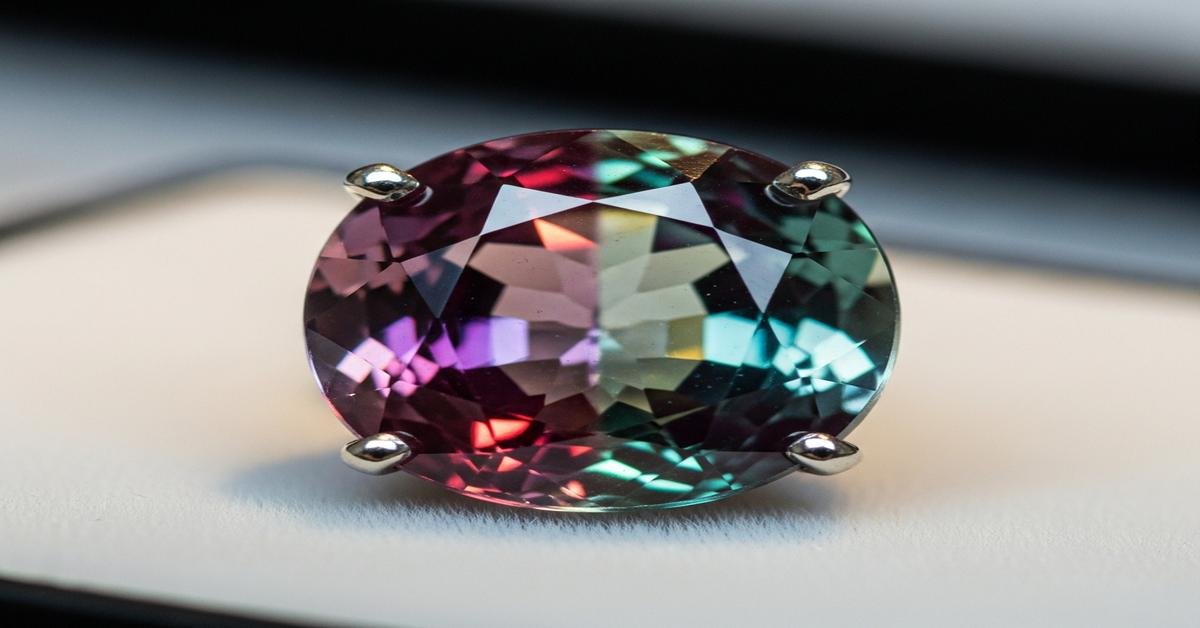
Alexandrite “Mood”: Lighting Tricks vs Real Colour Change
Alexandrite is famous for a dramatic trick: it can look green in daylight and red in incandescent light. That shift is real in natural ...
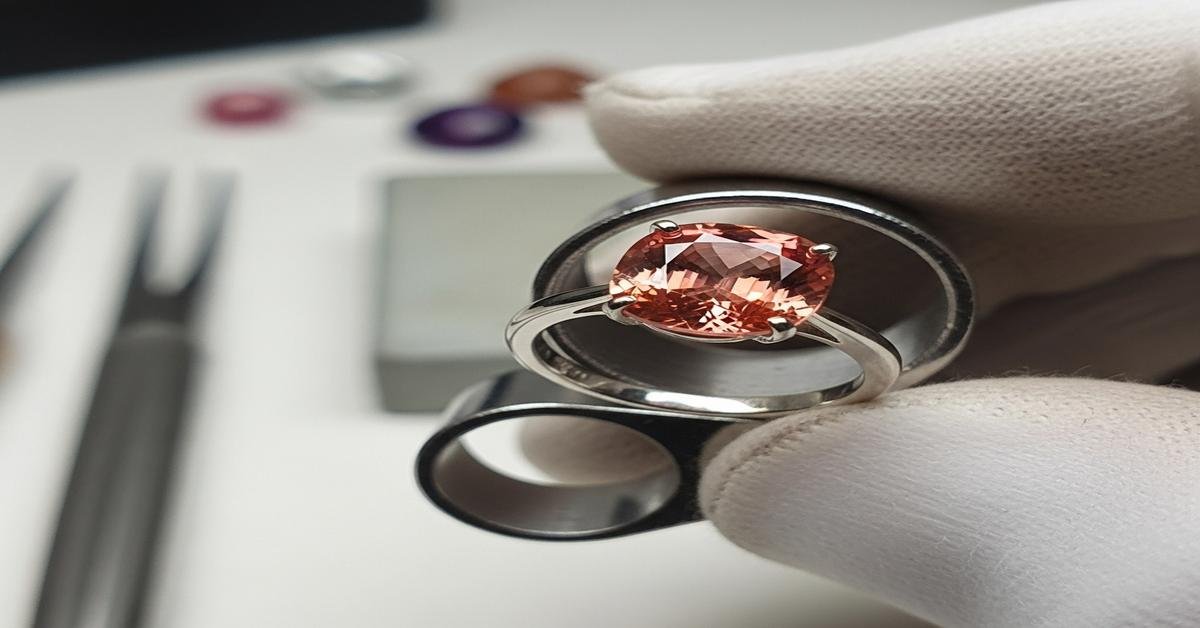
Padparadscha Obsession: How Dealers Nudge the Definition
Padparadscha is one of the most debated labels in colored gemstones. Dealers, labs, and collectors argue over what color, origin, and t...
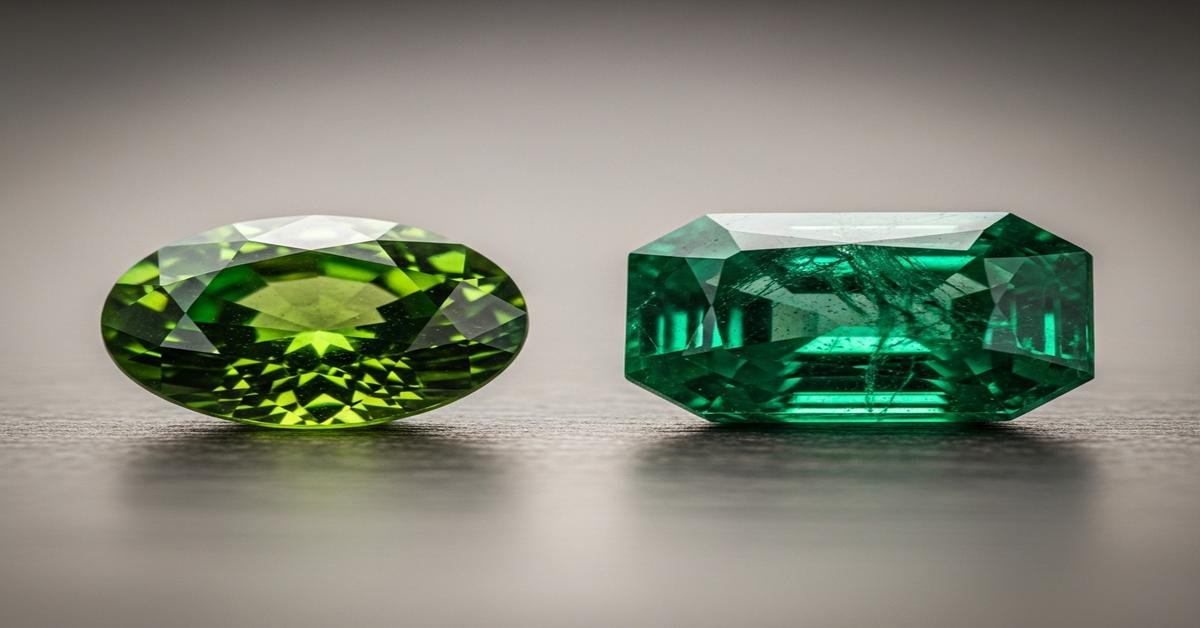
Tsavorite vs Emerald: The Green That Survives Daily Wear
When you want a green gemstone that can survive daily life, choice matters. Two of the most popular greens are tsavorite and emerald. T...
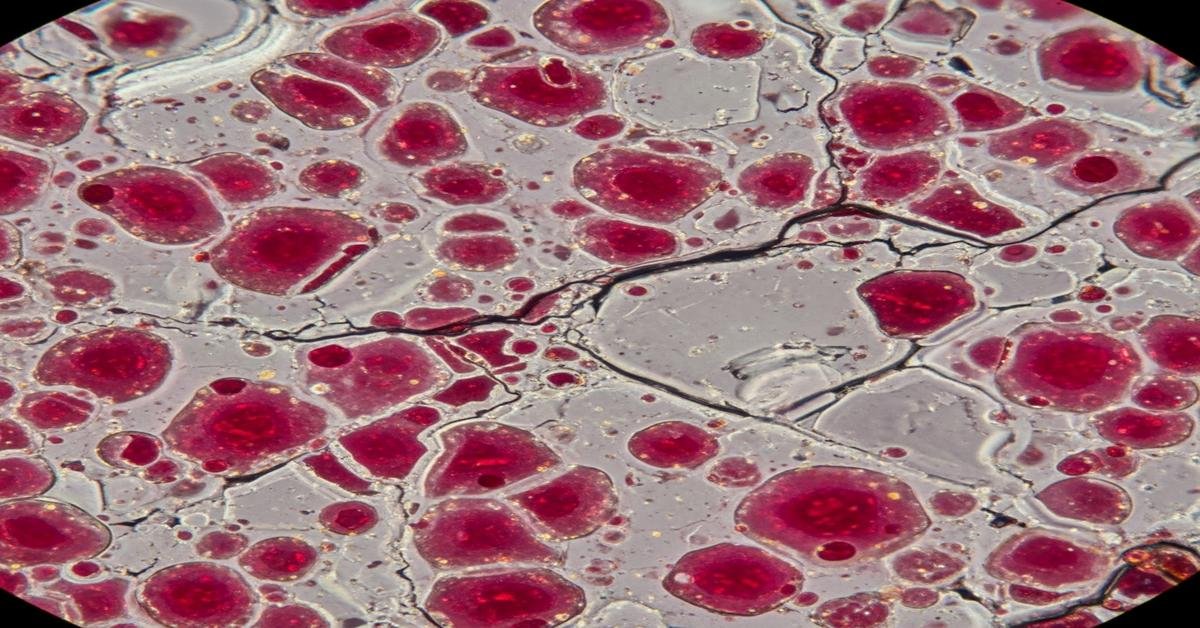
Ruby Glass-Fill: Perfect—Until It Isn’t (Microscope Photos)
Glass-filled rubies look perfect at a glance. Color fills fractures and hides pale areas. Under magnification, though, the truth shows ...
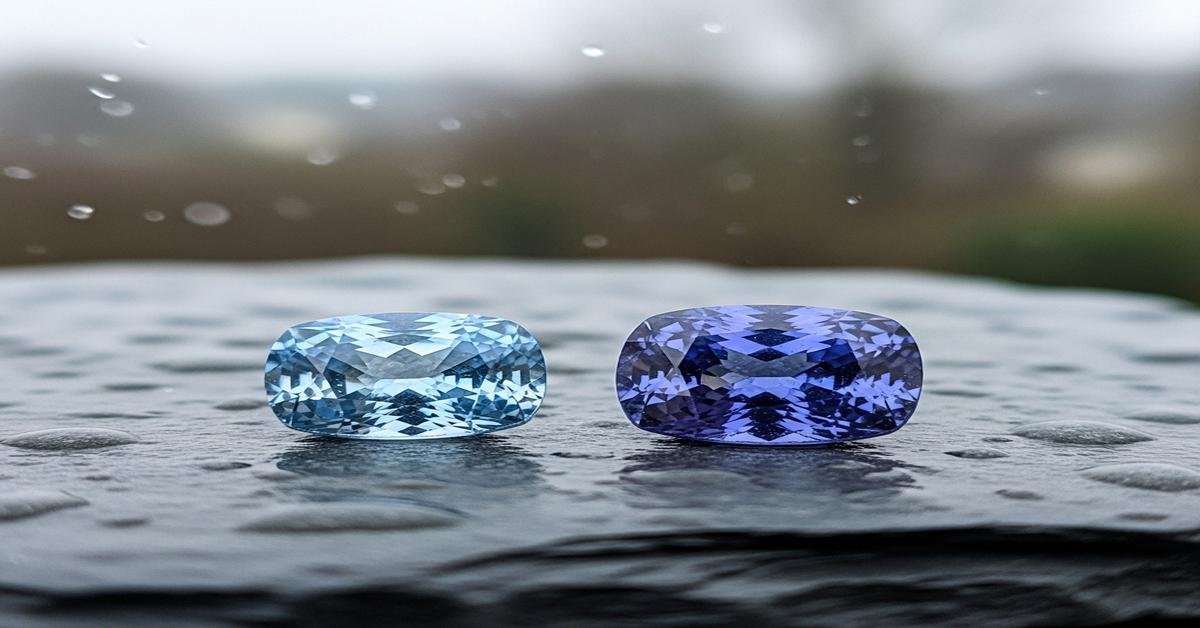
Montana vs Sri Lankan: The Blue UK Buyers Prefer in Grey Skies
The blue of a sapphire looks different in London drizzle than in Mediterranean sun. For UK buyers who wear jewelry mostly under grey sk...
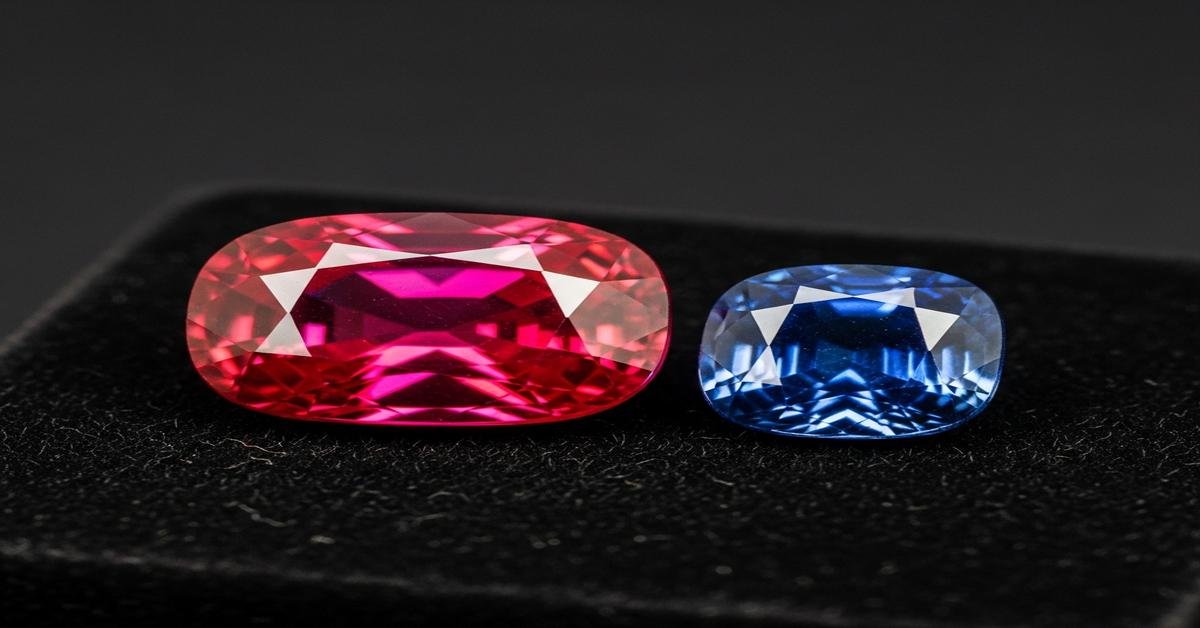
Spinel’s Secret: Why It Faces Up Larger Than Sapphire
Spinel often looks bigger than sapphire when you compare stones by carat weight. That surprises buyers because a carat measures weight,...
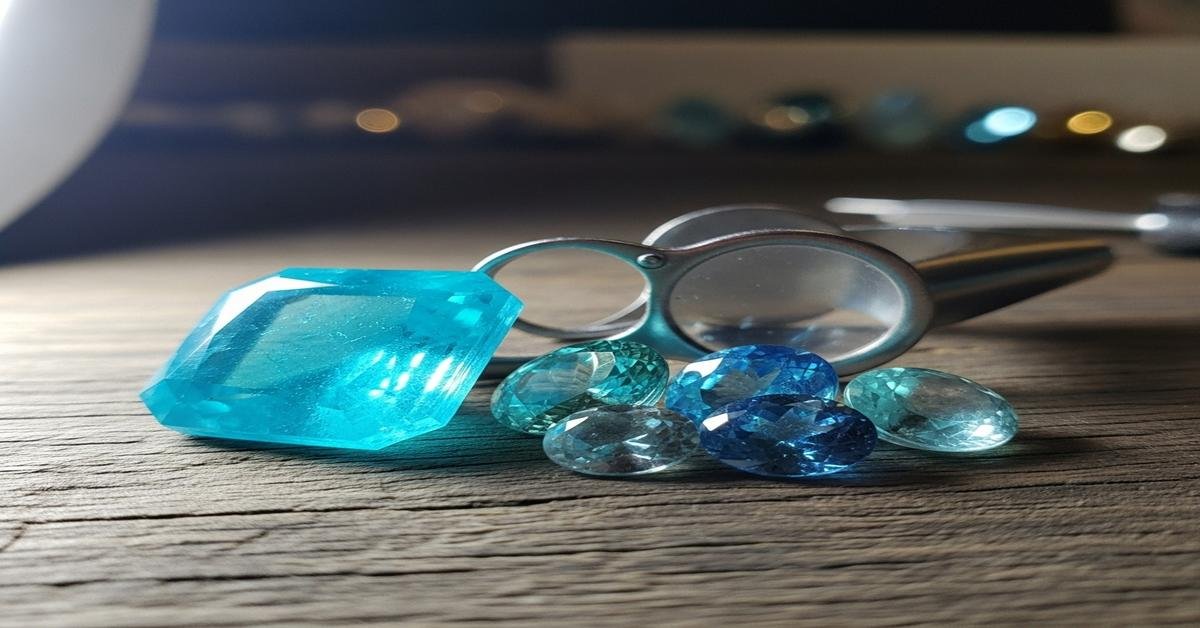
Paraíba vs “Paraíba-Like”: How UK Sellers Stretch a Blue
Paraíba tourmaline is one of the most talked-about gems in the market. Its electric, neon-blue color can fetch very high prices. That m...
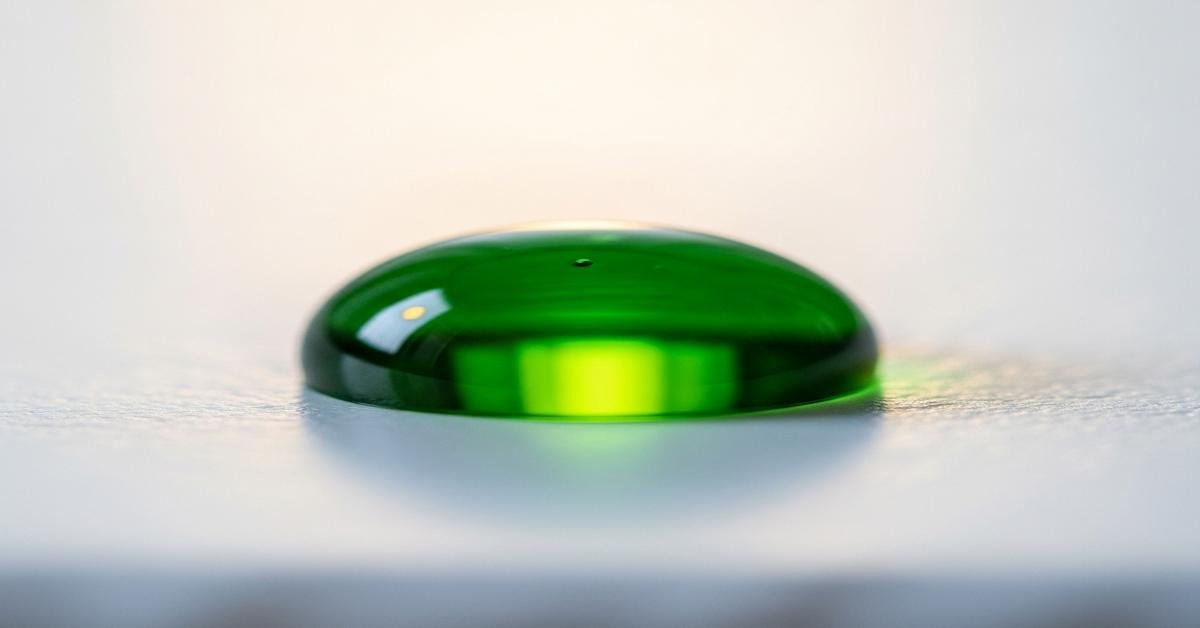
Emerald Oil 101: What Happens During a Routine UK Clean
Emeralds are beautiful but fragile stones. Many commercial emeralds are treated with oil or resin to improve clarity. In the UK, routin...
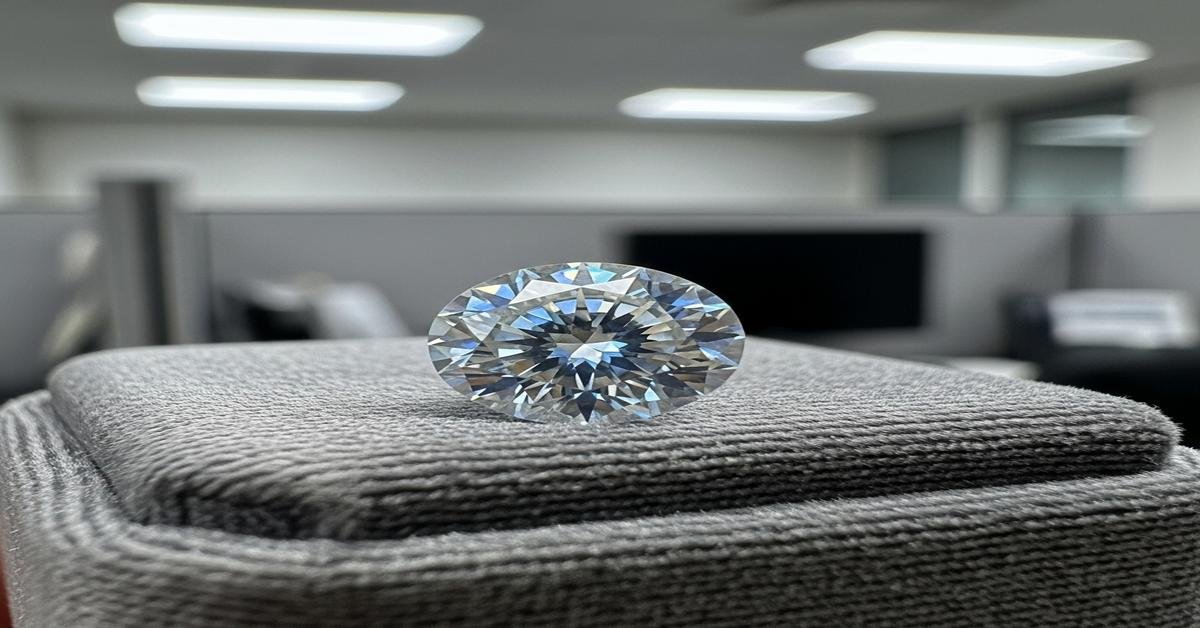
Why Some Moissanite Reads “Blue” in Offices—and How to Fix It
Moissanite often flashes bright colors under office lights. Many people describe that flash as a noticeable “blue” cast. That can be su...